Hunter and Dog: A Designer's Review for Craft Fair Success
As an experienced embroidery designer who has spent countless weekends setting up booths at local craft fairs, I know that the difference between a design that gathers dust and one that sells out often comes down to practical application. When I first encountered the Hunter and Dog machine embroidery design, my immediate thought was not about the stitch count or file format, but rather how it would perform on a busy market table. This is a review of whether this specific piece is ready to turn into high-value handmade products for your Etsy shop, boutique, or weekend vendor setup.
The First Impression: Personality in Every Stitch
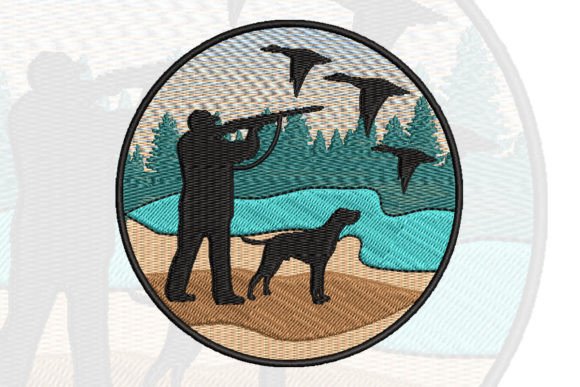
The title Hunter and Dog suggests a narrative immediately. It evokes feelings of rustic charm, outdoor adventure, and loyal companionship. Based on the description provided, which highlights adding a "touch of personality," this design feels perfectly suited for the farmhouse aesthetic that remains popular among handmade shoppers. It is not overly ornate or delicate; instead, it promises to be a bold statement piece that resonates with customers who value authenticity.
In the context of a craft fair display, visual storytelling is everything. A customer walking by a booth filled with generic floral patterns will stop when they see something with a story. Hunter and Dog offers that instant connection. It feels modern yet timeless, making it versatile enough for both a trendy urban boutique and a traditional country market. The design likely balances cute and rugged elements, appealing to dog lovers, hunters, and outdoor enthusiasts alike.
Where Hunter and Dog Shines: Product Selection Strategy
When preparing my own booth samples, I evaluate every design based on where it will have the most impact. Here is how I envision Hunter and Dog performing across various product categories:
- Tote Bags and Market Bags: This is arguably the best canvas for this design. A large embroidered tote bag featuring Hunter and Dog serves as a walking advertisement for your brand. The design works well as a central focal point on a canvas tote, creating a premium look that justifies a higher price point.
- Aprons and Kitchen Towels: For sellers focusing on home decor, this design adds a unique touch to kitchen linens. An apron with this motif appeals to those who love cooking outdoors or hosting gatherings. Similarly, tea towel embroidery allows for a smaller version of the design, perfect for gift sets.
- Caps and Patches: If you are selling accessories, Hunter and Dog translates beautifully to caps. However, the curvature of the hat requires careful attention to placement. Alternatively, turning this into an embroidered patch allows for versatility, letting customers apply it to jackets, backpacks, or denim vests themselves.
- Pillow Covers and Small Pouches: For quick production runs, small pouches or pillow covers allow you to create a cohesive collection. These items are low-cost entry points for buyers, making them excellent for impulse purchases at a craft fair.
Practical Selling and Production Realities
As a digital seller and physical vendor, I know that a design must be easy to produce consistently. The description notes that this is a "quick and easy" way to add personality, which is music to a producer's ears. In a batch production environment, speed matters. If the design is too complex, it slows down your workflow and increases the risk of errors.
This design appears to have the potential to be a repeatable asset for your inventory. Whether you are creating a line of matching gifts or individual custom orders, the simplicity implied by the description suggests it will photograph well for online listings. On a screen, a clear, well-defined image like Hunter and Dog catches the eye quickly. It stands out against white backgrounds in printable mockups, ensuring your Etsy listing looks professional and inviting.
However, consider the scale. Is this design meant to be a small accent on a pocket, or a large focal point on a chest? For maximum sales appeal, I recommend testing it as a medium-sized design. This ensures it is visible from a distance on a crowded booth table but detailed enough to appreciate up close. It should feel substantial enough to command attention without overwhelming the fabric texture.
Crucial Considerations for Quality Control
Before committing to mass production, there are several technical aspects of the Hunter and Dog embroidery file that require careful evaluation. Even the best-looking design can fail if the execution is poor.
Stitch Density and Details: Look closely at the dense stitch areas. If the design includes tiny details or fine lines, ensure they do not get lost when stitched on textured fabrics like heavy canvas or terry cloth towels. Dense stitching can sometimes cause puckering if the stabilizer is not chosen correctly. Always test the design on scrap fabric first to check how the threads lay and whether the density is appropriate for the intended material.
Thread Contrast and Color: The success of any embroidery design relies heavily on thread colors. If you are using dark fabric, ensure you have bright, contrasting threads available. Conversely, on light fabrics, subtle color choices might get lost. Review the recommended thread palette to ensure the design pops visually. Poor contrast can make a beautiful design look muddy or indistinct.
Fabric Texture and Surface Curvature: Embroidery on flat surfaces like aprons and bags is straightforward, but curved surfaces like caps present a challenge. Ensure the design fits within the hoop size limits and accounts for the curve of the cap. If the design is too large, it may distort around the brim. Additionally, textured fabrics can hide the intricacies of the stitches, so smooth cotton or linen is often the safest bet for maintaining clarity.
Designer's Checklist for Launching Your Collection
To ensure Hunter and Dog becomes a bestseller for your handmade business, follow these practical steps before hitting the craft fair circuit:
- Test on Scrap Fabric: Never skip this step. Run the design on the exact fabric you plan to sell to check for stability and appearance.
- Review Spacing and Hoop Size: Confirm that the design dimensions fit your standard hoop sizes. This prevents costly re-hooping and ensures consistent alignment across all products.
- Inspect Stitch Density: Check for any areas where stitches might overlap too tightly, which can cause fabric distortion or thread breakage.
- Create Real Mockups: Do not rely solely on digital images. Create at least one real finished product to use as a photo prop for your social media and Etsy listings.
- Confirm Commercial Licensing: Before selling finished products, verify the commercial licensing terms of the digital embroidery file. You need the legal right to manufacture and sell items created with this design.
- Use the Right Stabilizer: Match your stabilizer to the weight of your fabric. Heavy-duty stabilizers are essential for bags and aprons to prevent shifting during the stitching process.
Final Thoughts on Visual Appeal and Brand Consistency
A successful craft fair booth is built on consistency and quality. Hunter and Dog has the potential to be a cornerstone design for your brand identity. It conveys a sense of warmth and connection that resonates deeply with today's consumers looking for meaningful, handmade goods. By carefully selecting the right products—like tote bags, aprons, and patches—and paying close attention to production details, you can transform this digital file into a tangible source of income.
Whether you are an Etsy seller expanding your catalog or a boutique maker looking for unique stock, this design offers a blend of charm and practicality. It is designed to stand out in a sea of generic merchandise. Remember, the key to selling handmade products is not just the design itself, but how well it is executed and presented. Take the time to refine your process, check your thread contrasts, and ensure your finished products look as good in person as they do in your photos. With the right approach, Hunter and Dog could become the signature piece that draws customers back to your booth again and again.