Bulldog with Glasses: A Designer's Real-World Review
As someone who has spent years reviewing machine embroidery design assets for both personal hobbies and commercial ventures, I know that the difference between a cute file and a profitable product often comes down to execution. Today, I am putting the Bulldog with Glasses pattern through its paces. This isn't just about looking at a digital preview; it is about understanding how this specific piece of art translates from a screen to a real-world textile. Whether you are an Etsy seller looking to expand your catalog or a crafter planning a unique holiday gift, practical insight is everything.
The First Impression: Personality in Thread
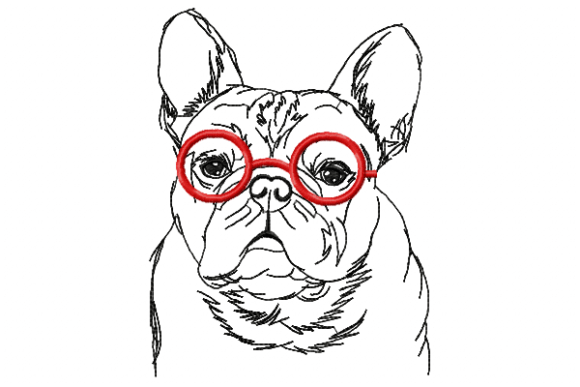
When I first loaded the Bulldog with Glasses file into my digitizing software, the immediate reaction was one of charm. The subject matter—a bulldog sporting spectacles—creates a mood that is instantly approachable and slightly intellectual. It feels less like a generic animal print and more like a character study. For designers, this personality is crucial because it dictates where the design belongs.
This is not a rugged, high-contrast logo meant for a work vest. Instead, the visual weight suggests a softer application. The layout appears balanced, likely utilizing a mix of satin stitch for the outline and facial features to give definition, while the fur texture might rely on fill stitch or long running stitch variations. The glasses add a focal point that demands precision. If the eyes or frames are too small or dense, they could become a blob of thread upon completion. However, if the density is managed well, this design offers a whimsical touch that elevates even simple items like baby bibs or kitchen towels.
Real-World Application: From Screen to Stitch
Let's imagine a scenario. You are preparing inventory for a boutique shop that specializes in handmade gifts for children. You need something versatile enough to appear on a tote bag, a sweatshirt, and perhaps a nursery pillow cover. This is where the Bulldog with Glasses shines as a potential bestseller. The theme fits perfectly into the "gift for children" category mentioned in the product description.
For an Etsy seller, this design offers excellent versatility. Imagine listing a custom embroidered tote bag featuring this bulldog. The playful nature of the dog wearing glasses adds a narrative element that customers love. It tells a story before they even read the product title. Similarly, for a small business owner creating branded merchandise, this design works well as a patch or a chest pocket accent on a sweatshirt. It humanizes the brand without being overly corporate.
I also see strong potential in the realm of personalized gifts. A parent ordering a special item for their child would likely be drawn to the uniqueness of a bulldog with glasses compared to standard cartoon animals. The design serves as a conversation starter, making the finished product feel more thoughtful and bespoke. Whether used on a holiday gift or a wedding favor, the emotional connection the design fosters can drive higher perceived value.
Technical Considerations and Fabric Choices
However, every designer knows that good art requires good technique. When evaluating Bulldog with Glasses for actual production, we must consider the physical limitations of embroidery. The design includes details that require careful handling, particularly regarding the glasses and the facial expression.
If you plan to use this on a tote bag design made of canvas, the fabric texture will provide enough stability to hold the detail. But if you attempt to place this on a thin cotton tee shirt without proper stabilizer, the puckering could ruin the look of the glasses. Stretchy fabrics like jersey require extra caution. The tension needed to create the satin stitches might cause the fabric to warp, distorting the bulldog's face. In these cases, a cut-away stabilizer is non-negotiable to maintain the integrity of the embroidery project.
Density is another critical factor. If the fill areas are too heavy, the fabric may become stiff and uncomfortable, especially for baby embroidery projects where softness is paramount. Conversely, if the density is too low, the thread colors might show gaps, making the bulldog look washed out. Testing on scrap fabric is essential here. You need to ensure that the contrast between the thread and the background fabric is sufficient. On dark fabric, you might need a underlay or a specific color palette to make the details pop, whereas light backgrounds offer more flexibility.
Where to Exercise Caution
While this design is versatile, there are specific applications where you should proceed with a cautious eye. Small hoop sizes present a significant challenge. If the Bulldog with Glasses design has intricate corners or fine lines, shrinking it down for a tiny cap or a small patch might result in lost details. The glasses could merge into a single shape, losing the character entirely.
Curved surfaces like baseball caps also pose a risk. Embroidery on curved surfaces naturally distorts the image. If the design relies heavily on symmetry, placing it on a cap might skew the proportions unless the digitizing accounts for the curvature. Furthermore, products that require frequent washing, such as aprons or kitchen towels, need durable stitching. If the design relies on loose running stitches for the fur, it might snag or unravel over time. Always verify the stitch density and ensure the design is robust enough for commercial-grade wear.
Maximizing Value and Professionalism
The ultimate goal of any commercial embroidery project is to build trust with the buyer. A clean, crisp execution of the Bulldog with Glasses design signals professionalism. Customers are willing to pay a premium for items that look polished and well-made. If the finished product shows skipped stitches or poor registration, the perceived value drops immediately.
By carefully selecting the right thread colors and ensuring the hoop size matches the design dimensions, you can create a presentation that stands out in a crowded marketplace. This design is particularly effective for digital embroidery files sold as assets, provided the instructions are clear about testing requirements. For those selling handmade products, the unique character of the bulldog helps differentiate your shop from mass-produced competitors.
Practical Notes for the Designer
Before you commit to a full production run, follow these steps to ensure success:
- Test on Scrap Fabric: Always stitch the design on a piece of the same material you intend to use for the final product to check for puckering or distortion.
- Check Contrast: View the design in black and white mockups to ensure the shapes are distinct and the glasses do not disappear against the background.
- Verify File Formats: Ensure the embroidery file includes formats compatible with your machine (e.g., .dst, .pes, .exp) and confirm if multiple formats are included as advertised.
- Licensing Check: Confirm whether the license allows for commercial use if you plan to sell the finished items or the digital asset itself.
- Inspect Details: Zoom in on the digital preview to check the complexity of the glasses and eyes. If they look too small, consider adjusting the scale before stitching.
In conclusion, the Bulldog with Glasses is a charming addition to any collection of dogs themed designs. Its whimsical nature makes it ideal for gifts, apparel, and home decor. However, like all embroidery projects, its success depends on the skill of the operator and the suitability of the materials. With careful planning and attention to detail, this design can transform simple textiles into memorable, high-value creations.