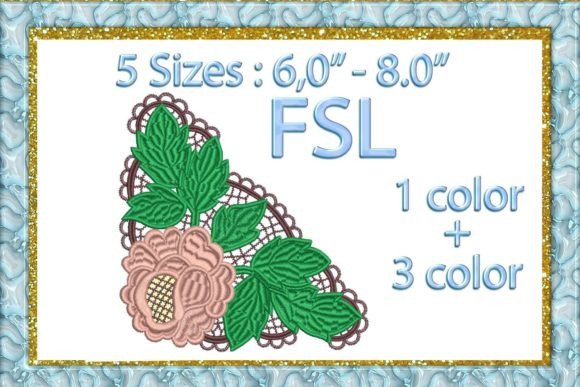
Rose Fsl: A Designer's Review for Craft Fair Success
As an experienced embroidery designer who has spent countless weekends setting up booths at local craft fairs and managing a busy handmade shop, I know that the difference between a design that sits on a shelf and one that sells out in minutes often comes down to one thing: how it translates from a digital file into a tangible product. When I first saw the Rose Fsl, my immediate thought was not just about the aesthetic, but about its potential as a craft fair product. The description highlights it as a free-standing lace design intended to make fabrics elegant and beautiful, which immediately signals a premium feel perfect for boutique makers and creative entrepreneurs.
In the world of machine embroidery, free-standing lace (FSL) is a category that demands respect. It requires precision, the right stabilizer, and a keen eye for detail. However, when executed correctly, nothing captures a customer's attention quite like the delicate, airy texture of lace that stands entirely on its own threads. My goal here is to review Rose Fsl through the lens of a seller preparing for a high-traffic weekend market, evaluating where this embroidery file shines and where caution is required.
The First Impression: Elegance Meets Marketability
From the title alone, Rose Fsl suggests a classic, romantic aesthetic. In a sea of bold graphics and modern minimalism found on many Etsy listings, a floral lace rose offers a timeless appeal that fits seamlessly into farmhouse, rustic, and elegant themes. For a booth display, this design feels "premium" right out of the box. It does not look like a mass-produced sticker; it looks like a piece of art stitched with care.
When visualizing this design on a table covered in linens, the Rose Fsl stands out because of its inherent 3D quality. Unlike flat satin stitch designs that can sometimes look heavy or stiff, a free-standing lace rose has depth. This physical dimension catches the light in a way that draws customers closer to your table. Whether you are selling to handmade shop owners or individual gift buyers, the perception of value increases significantly when the item feels tactile and intricate.
Strategic Product Applications for Maximum Sales
To maximize the return on investment for this digital embroidery file, I recommend focusing on products where the lace structure can be fully appreciated without being constrained by tight seams or heavy fabric layers. Based on my experience with commercial embroidery projects, here is where Rose Fsl performs best:
- Tote Bag Design: A large tote bag made of canvas or linen provides the perfect backdrop. Placing a single, centered Rose Fsl creates a stunning focal point. Because the lace is free-standing, it does not need to be backed by heavy stabilizers that might ruin the drape of the bag, allowing it to hang naturally.
- Apron Embroidery: For those targeting home cooks or gardeners, placing the rose on the bib of a linen apron adds a touch of sophistication. The contrast between the sturdy workwear fabric and the delicate lace makes for a compelling visual story.
- Tea Towel Embroidery: This is perhaps the highest volume seller. A tea towel featuring Rose Fsl appeals to the "gift" buyer. Since tea towels are often displayed folded, the raised texture of the lace adds a luxury element that justifies a higher price point than standard monogrammed towels.
- Embroidered Patch: One of the unique advantages of an FSL design is that it can be trimmed and used as a patch. You can attach the Rose Fsl to denim jackets, caps, or small pouches. This versatility allows you to create a cohesive collection of accessories for your booth.
- Pillow Covers and Fabric Pouches: For smaller items like cosmetic bags or pillow covers, the rose serves as a beautiful accent. It elevates simple cotton or velvet fabrics into something that looks custom-made and expensive.
Photography and Visual Appeal for Online Listings
For Etsy sellers and digital creators, photography is everything. The Rose Fsl is a photographer's dream because of its shadow play. When shooting for printable mockups or actual product photos, the lace petals cast tiny shadows on the background fabric, creating depth that flat designs simply cannot achieve.
However, this also means you must be careful with lighting. Harsh overhead lights can flatten the image, while soft, directional light will highlight the airy nature of the lace. When listing these as small shop products, ensure your images show close-ups of the stitching. Customers buying handmade goods want to see the quality of the stitches and the integrity of the lace structure.
Practical Production Notes for the Booth Builder
Before you commit to a batch production run for a weekend fair, there are critical technical steps you must take. As a professional, I always advise testing the design on scrap fabric before hitting the "start" button on a full inventory order. Here is what to watch out for with Rose Fsl:
- Stitch Density and Stability: Free-standing lace designs rely heavily on thread tension. If the stitch density is too high, the lace may become stiff and lose its delicate look. If it is too low, the pieces may tear apart during trimming. Ensure you are using the correct stabilizer—usually a cut-away or tear-away depending on the fabric weight—to support the design without adding bulk.
- Hoop Size Considerations: Check your hoop size requirements carefully. Some FSL designs require larger hoops to accommodate the spacing needed for the lace to float. If your machine has a limited hoop area, you may need to split the design or choose a specific product size that fits within those constraints.
- Fabric Texture: While the lace is free-standing, the base fabric matters. On thick, textured towels, the lace might sit unevenly if the fabric is too bumpy. Smooth, tightly woven fabrics generally yield the cleanest results for finished products.
- Thread Colors: The choice of thread colors can make or break the design. White on white is classic and elegant, but don't be afraid to experiment with pastels or metallics for a modern twist. Just remember that dark fabrics can sometimes make light-colored lace disappear if the contrast isn't strong enough.
What to Avoid: Common Pitfalls
Even the best machine embroidery design can fail if applied incorrectly. Be wary of trying to use Rose Fsl on curved surfaces like baseball caps unless you have specialized equipment. The natural curve of a cap can distort the symmetry of the flower, making it look warped. Similarly, avoid using this design for very small accents on tiny items like keychains; the tiny details of the lace may get lost or become difficult to trim cleanly.
Also, consider the durability of the final product. Free-standing lace can snag if not trimmed properly. When creating handmade gifts or items for sale, ensure all loose threads are meticulously trimmed and the edges are finished so the lace retains its shape after washing.
Final Verdict for Sellers
The Rose Fsl is a powerful asset for any creative entrepreneur looking to elevate their brand. It strikes a balance between decorative flair and structural integrity that appeals to a wide range of buyers. By understanding the nuances of free-standing lace, selecting the right products like tote bags and tea towels, and paying close attention to production details like stabilizer and thread contrast, you can turn this embroidery file into a bestseller.
Remember to check the specific file formats included with your purchase to ensure compatibility with your machine, and always confirm the commercial licensing terms before selling your finished goods. With the right preparation, the Rose Fsl will not only adorn your products but also tell a story of quality and craftsmanship that keeps customers coming back to your booth.