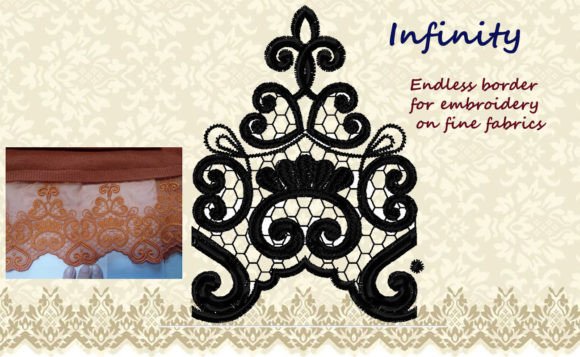
Infinity Border: A Designer's Review for Craft Fairs
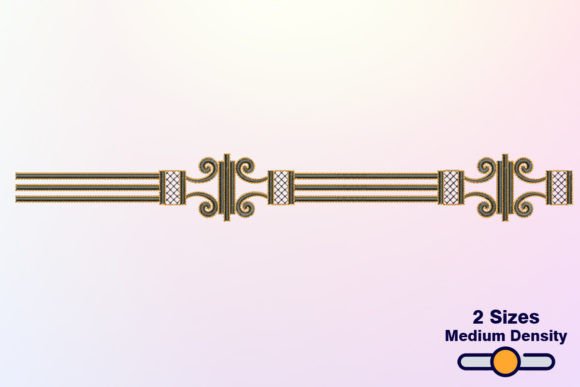
As an experienced embroidery designer who has spent countless weekends setting up booths at local craft fairs and online markets, I know that the difference between a design that sits on a shelf and one that sells out in minutes often comes down to one thing: visual impact. When I first received the Infinity Border machine embroidery design to review for potential inclusion in my upcoming handmade collection, I didn't just look at the digital file; I immediately started visualizing it on physical products. The description promises "regality" and versatility across clothes and home decor, which is exactly what serious Etsy sellers and boutique makers need to elevate their brand.
The First Impression: Regal and Versatile
Upon opening the Infinity Border design assets, the immediate feeling is one of elegance. Unlike some trendy, overly busy patterns that can look cluttered when stitched onto textured fabrics, this border feels refined. It strikes a balance between modern minimalism and traditional craftsmanship. For a craft fair booth, where customers are scanning rows of items from a distance, this design has the "regality" mentioned in its description without screaming for attention. It whispers quality.
This aesthetic makes it perfect for the "farmhouse chic" or "modern rustic" trends that dominate the handmade market today. Whether you are creating a small shop product like a set of embroidered patches or a larger item like a decorative pillow cover, the Infinity Border adds a layer of sophistication that instantly increases the perceived value of your finished product. It is not just a decoration; it is a statement of professional quality.
Product Applications: Where Infinity Border Shines
When preparing a table display for a weekend market, variety is key. I tested how the Infinity Border performs across several high-demand categories to see where it truly stands out.
- Tote Bags and Market Bags: A simple tote bag is a staple, but adding the Infinity Border transforms it into a premium accessory. Placing the border along the bottom hem or framing the side panels creates a sophisticated look that photographs beautifully for Etsy listings. The continuous nature of the border works exceptionally well as a frame for other designs or as a standalone focal point.
- Apron Embroidery and Tea Towels: These are the bread and butter of kitchen-themed craft fairs. On a white linen tea towel, the Infinity Border looks crisp and clean. However, the real magic happens when you use contrasting thread colors on darker fabrics. This design elevates standard kitchen linens into giftable, high-end items. It turns a $5 towel into a $20 boutique piece.
- Caps and Patches: While borders are typically linear, applying them to curved surfaces like caps requires careful hoop placement. If used as an embroidered patch, the Infinity Border provides a polished edge that prevents fraying and adds a custom finish. It is ideal for branding logos on hats, offering a subtle yet distinct look that appeals to corporate buyers and casual shoppers alike.
- Pillow Covers and Home Decor: For the ultimate statement piece, using the Infinity Border to frame the edges of throw pillows creates a cohesive collection. This is excellent for batch production. You can create a matching set of three different sizes, all featuring the same elegant trim, which encourages customers to buy multiple items.
Selling Points and Production Practicality
For the commercial embroidery business owner, efficiency is everything. One of the strongest selling points of the Infinity Border is its repeatability. Because it is a border design, it allows for seamless tiling or strategic placement on large items without needing complex digitizing adjustments. This makes it highly efficient for batch production, allowing you to fulfill orders quickly during peak holiday seasons.
Photography is another critical factor. In a crowded craft fair or on a busy Instagram feed, a design needs to be legible. The Infinity Border features clear lines and defined shapes that translate well into photos. It creates a strong visual boundary that frames the rest of your product, drawing the eye directly to your work. This clarity ensures that even small details are appreciated by customers browsing from afar.
Real-World Usage Notes and Careful Considerations
While the Infinity Border is a robust design, every embroidery project has its challenges. As a designer reviewing this for potential clients, I must highlight specific areas where attention is required to ensure a flawless finished product.
Stitch Density and Thread Contrast: Depending on the specific stitch density within the file, very fine details might get lost on thick fabrics or heavily textured towels. Always test the design on scrap fabric before committing to your final inventory. If you are using dark fabric, ensure you have enough thread contrast; a low-density border might disappear against a black background if the wrong thread count is chosen. Check the provided file specifications for recommended thread counts.
Hoop Size and Curved Surfaces: The design may require a larger hoop size to accommodate the full length of the border without breaking the pattern. When working on curved surfaces like caps, you may need to adjust the stabilizer choice to prevent puckering. A floating applique technique or heavy-duty cutaway stabilizer is often necessary for these projects to maintain the structural integrity of the embroidery.
Small Sizes and Clarity: If you plan to scale this design down for small pouches or tags, be cautious. Tiny lettering or intricate details within the border may lose clarity if the design is reduced too much. It is best suited as a medium-to-large accent rather than a micro-detail. Verify the minimum recommended size in the design documentation to avoid disappointing customers with blurry results.
Designer's Checklist for Success
To maximize the potential of the Infinity Border in your handmade product line, follow these practical steps before hitting the print button:
- Test on Scrap Fabric: Never skip this step. Run the design on the exact fabric you intend to sell to check for puckering or thread breaks.
- Review Spacing: Ensure the border fits your specific garment dimensions. A border that is too long or too short can ruin the symmetry of a tote bag or apron.
- Confirm Stabilizer Choice: Match your stabilizer to the fabric weight. Heavy fabrics need rigid support, while delicate silks require lightweight backing.
- Create Real Mockups: Before listing on Etsy, photograph a real sample. Digital mockups are helpful, but nothing beats the tactile proof of a real, stitched product.
- Check Commercial Licensing: Always verify the license terms included with the digital embroidery file. Ensure you have the right to sell finished goods made with this design.
The Infinity Border is more than just a decorative element; it is a tool for building a consistent, high-quality brand. By integrating this design into your tote bags, aprons, and home decor, you signal to your customers that you care about the details. In the competitive world of craft fairs and online marketplaces, that attention to detail is what turns a browser into a loyal buyer. With the right preparation and execution, this design will add a touch of regality to your booth and a lasting impression to your customers.