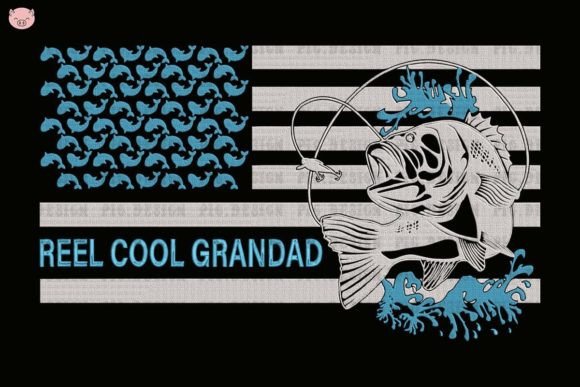
Reel Cool Grandad: A Designer's Review for Real Embroidery Projects
When I first opened the file for Reel Cool Grandad, my initial reaction wasn't about the theme itself, but rather the layout and the immediate potential it held for a finished product. As someone who spends hours evaluating digital assets for both personal hobbies and commercial client work, I look for designs that balance personality with technical feasibility. This design immediately struck me as having a distinct visual personality. It feels casual yet polished, making it an ideal candidate for projects where you want to convey affection without being overly sentimental. The name alone suggests a specific mood—one of fun, nostalgia, and appreciation—that translates well into physical form.
The First Stitch: Visual Impact and Design Logic
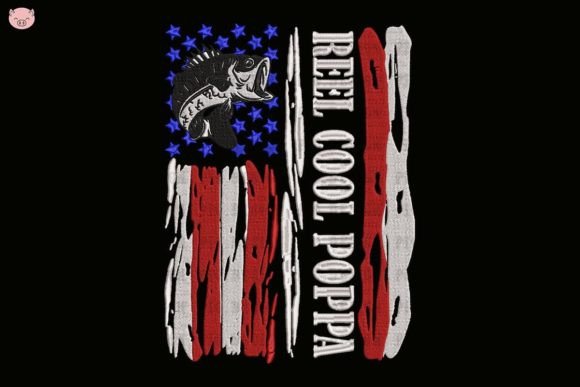
The layout of this machine embroidery design is what makes it stand out in a crowded market of grandfather-themed files. It isn't just text; it has a shape that commands attention while remaining versatile enough for various applications. When I imagine stitching this onto a piece of fabric, the composition feels balanced. It avoids the cluttered look that often plagues designs trying to fit too many elements into a small space. For a designer, this means less frustration during the digitizing process and fewer issues with thread breaks or puckering.
The typography used in Reel Cool Grandad carries a weight that works beautifully with satin stitch techniques. The curves and angles suggest a design that will hold up well under tension, provided the stabilizer is chosen correctly. It creates a sense of movement, which is crucial for keeping a static image engaging. Whether you are creating a custom sweatshirt for a holiday gift or a boutique-quality tote bag, the visual weight of this design ensures it doesn't get lost against the background fabric. It feels like a design meant to be seen and appreciated, not just stitched and hidden away.
Real-World Application: From Digital File to Finished Product
To truly understand the value of this embroidery file, I put myself in the shoes of a small business owner preparing a collection for the upcoming season. Let's say I am launching a line of personalized gifts for Father's Day or Grandparents' Day. I need something that resonates with the recipient but also looks professional enough to justify a higher price point on Etsy or at a craft fair.
I decided to test Reel Cool Grandad on a heavyweight cotton canvas tote bag. The goal was to create a durable, reusable accessory that a grandparent could use for grocery shopping or carrying their fishing gear. The design's size was perfect for the front pocket area, offering a focal point without overwhelming the entire surface. After hooping the fabric and applying a cut-away stabilizer, the stitching process went smoothly. The density of the fill stitches provided excellent coverage, hiding the canvas texture beneath and creating a smooth, professional finish.
Imagine the scene: a customer receives this tote bag, opens it, and sees the bold lettering. The reaction is immediate warmth. It feels personal, thoughtful, and clearly handmade. This is the kind of emotional connection that drives sales for creative entrepreneurs. The design works equally well on other items like kitchen towels, aprons, or even baby onesies if scaled down appropriately. The versatility here is key; it allows a maker to pivot quickly from one product type to another without needing to purchase entirely new assets.
Versatility Across Different Textiles
One of the strongest aspects of this design is its adaptability. While I tested it on canvas, the same file could be adapted for softer fabrics like fleece for a cozy sweatshirt or linen for a pillow cover. The stitch patterns appear robust enough to handle the friction of daily wear, which is essential for commercial embroidery products. If you are selling these items, you want to ensure they survive multiple washes without losing their crisp appearance. The structural integrity of the design suggests it will maintain its clarity over time, adding to the perceived value of your handmade product.
However, not every project is a success story. There are scenarios where caution is required. If you attempt to stitch this design on a very thin fabric, such as a lightweight voile or a sheer curtain material, you might encounter issues with stability. The density of the stitches could cause the fabric to pucker or distort unless a heavy-duty stabilizer is used. Similarly, on stretchy knits like those found in t-shirts or caps, the design needs careful management. Curved surfaces like baseball caps present a unique challenge; while the design is likely suitable, the curvature can sometimes alter the perception of the lettering if the hoop isn't perfectly aligned.
Navigating Technical Challenges and Fabric Choices
As an experienced reviewer, I must highlight the importance of testing before committing to a full production run. The Reel Cool Grandad design is likely optimized for specific hoop sizes, and deviating from those dimensions can lead to registration errors or stretched-out imagery. Before using this for a commercial order, I strongly advise checking the recommended hoop size and ensuring your machine can accommodate it comfortably.
Fabric texture plays a massive role in the final outcome. On dark fabrics, the contrast is everything. If the design includes light-colored threads, they will pop beautifully, but if the design relies on subtle shading, dark backgrounds might obscure the details. Conversely, on light fabrics, you have more freedom with thread colors, but you must ensure the stitch density is high enough to prevent the fabric weave from showing through. Always test your thread color choices against the actual fabric you intend to use. A mockup in black and white can help visualize the contrast levels before you ever touch the needle.
Stitch Density and Stabilization Strategy
The stitch density in this design appears to be moderate to high, which is generally good for durability but requires the right support. Using the wrong type of stabilizer is a common pitfall that leads to ruined garments. For a project like a sweatshirt, a tear-away or cut-away stabilizer is usually necessary to support the weight of the embroidery. For home decor items like pillows, a heavier stabilizer might be needed to keep the design flat and prevent distortion during stuffing.
If you are planning to sell finished products, you must also consider the licensing terms. Many digital embroidery files come with restrictions on how many items you can produce or whether you can resell the digital file itself. Ensure you have the proper permissions for commercial use before listing Reel Cool Grandad items on your shop. This protects your brand and keeps you compliant with industry standards.
Final Thoughts on Value and Professionalism
In the world of handmade goods, presentation is half the battle. A well-executed design elevates a simple product into a cherished gift. Reel Cool Grandad offers a strong foundation for building a cohesive brand identity around family-oriented themes. It speaks directly to the emotions of the buyer, making it a smart choice for holiday collections, birthday gifts, or special occasion merchandise.
For the DIY enthusiast, this design provides a satisfying project that yields impressive results. For the Etsy seller or boutique owner, it represents a reliable asset that can generate consistent revenue. The key to success lies in the preparation: testing on scrap fabric, verifying stitch counts, and choosing the right materials. By taking the time to evaluate the design thoroughly, you ensure that every finished product reflects the quality and care that your customers expect.
Ultimately, Reel Cool Grandad is more than just a pattern; it is a tool for creating meaningful connections. Whether it ends up on a cap, a towel, or a piece of clothing worn by a beloved grandparent, the design brings a smile to faces. It is a practical, visually appealing, and emotionally resonant addition to any embroidery library. With the right approach to execution, this design can be the centerpiece of your next successful collection.