Adjoined Paisley: A Designer's Review for Real Projects
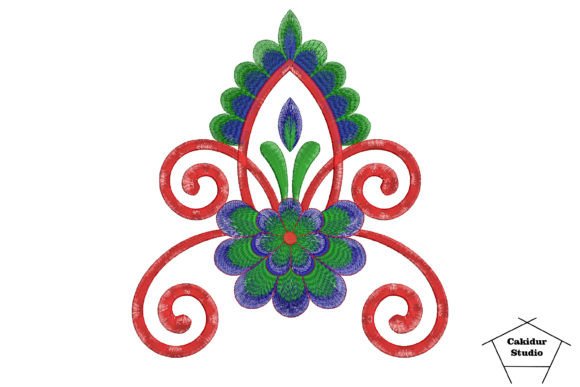
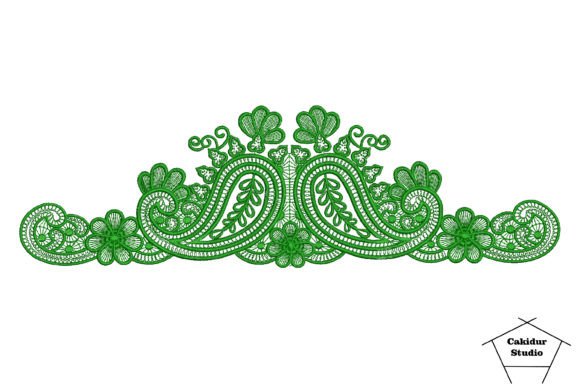
When I first opened the file for Adjoined Paisley, my immediate reaction wasn't about stitch counts or color palettes; it was about the mood. There is a distinct elegance to this design that feels timeless yet ready for modern application. As someone who has spent years evaluating digital assets for both personal hobbies and commercial boutiques, I look for designs that do more than just fill space. They need to carry weight. This embroidery file delivers exactly that. It creates an atmosphere of sophistication that works beautifully when you want to elevate a simple project into something special.
The layout is fluid, with curves that suggest movement rather than rigid structure. For a designer looking to add a creative accent to home decor or personalized gifts, the visual personality here is spot on. It doesn't scream for attention but rather invites the viewer to lean in and appreciate the detail. Whether you are an Etsy seller preparing a listing for a boutique product or a crafter making a handmade gift for a wedding, Adjoined Paisley offers a level of polish that enhances the perceived value of your finished work.
Putting It to the Test: A Real-World Scenario
To truly understand how a design performs, you have to move beyond the screen and into the hoop. Recently, I decided to test Adjoined Paisley on a custom embroidered tote bag intended as a holiday gift for a client who runs a small artisan shop. The goal was to create a branded item that felt unique but not overly busy. I chose a sturdy cotton canvas for the fabric texture, knowing that paisley motifs often pair well with natural fibers.
The stitching process revealed why this design is a strong contender for custom apparel and tote bag designs. The flow of the pattern allowed for a balanced placement on the front panel without overwhelming the canvas. When I held up the completed piece, the contrast between the thread colors and the fabric was striking. It didn't look like a generic stamp; it looked like a professional design asset. My client was thrilled with the result, noting that the intricate details gave the bag a luxury feel suitable for her brand identity.
This scenario highlights a key strength of the design: its versatility. While I used it on a tote, I can easily envision this same embroidery file transforming a plain sweatshirt into a statement piece or adding a sophisticated touch to baby clothes. The curves of the paisley shape wrap naturally around seams and hems, making it ideal for items where the design needs to follow the contours of the garment. For those selling on platforms like Etsy, having a design that photographs well and looks expensive in person is crucial for buyer engagement.
Performance Across Different Fabrics and Products
One of the most critical aspects of any machine embroidery design is how it interacts with different materials. Adjoined Paisley handles a variety of fabrics with grace, but there are specific scenarios where it shines and others where caution is required.
- Home Decor and Bedding: The design excels on pillow covers and tea towels. On a kitchen towel, the motif serves as a beautiful focal point that adds a touch of class to everyday use. For bed sheets, it works perfectly as a subtle accent near the hem, providing a creative accent without being too loud.
- Apparel and Accessories: For sweatshirts and t-shirts, the density of the stitches holds up well against heavier knits. However, if you plan to use this on a cap or hat, you must be mindful of the curvature. While the design is adaptable, curved surfaces require careful stabilization to prevent puckering, especially in the detailed corners of the paisley shape.
- Baby Items: The soft, flowing lines make it excellent for baby embroidery projects. It is gentle enough for delicate skin but detailed enough to look high-quality. It pairs wonderfully with nursery decor, bringing a sense of warmth to a crib or changing pad cover.
However, not every surface is a match. If you are working with thin, stretchy fabric, you will need to invest extra time in stabilizer selection. Without proper support, the tension from the satin stitch and fill stitch areas could distort the fabric, ruining the clean lines of the design. Similarly, on dark fabrics, you must ensure your thread colors provide enough contrast. A light-colored Adjoined Paisley might get lost against a black background unless you choose high-density threads or consider an applique technique.
Design Notes for the Practical Maker
Before you commit this design to a final product for sale, there are several practical steps every experienced maker should take. The difference between a good project and a great one often comes down to these preparatory checks.
- Test on Scrap Fabric: Never skip this step. Run the design on a scrap of the exact fabric you intend to use. This allows you to see how the stitch density interacts with the weave and whether the design shifts during the process.
- Check Hoop Size Compatibility: Ensure your hoop size accommodates the full extent of the design. If the design is large, you may need to reposition the hoop, which requires precision to avoid misalignment. Always verify the recommended dimensions before starting.
- Inspect Small Details: Zoom in on the digital preview. Look at the tiny corners and intricate curves. Are they too fine for your machine's needle? Sometimes, what looks perfect on a screen can become muddy when stitched out if the details are too small for the chosen thread thickness.
- Mockup in Black and White: Create a printable mockup in grayscale. This helps you visualize the contrast and balance of the design independent of color. It reveals if the design is too dense in certain areas or if it lacks visual weight in others.
- Review Licensing Terms: If you are a digital product seller or a small business owner, confirm the licensing agreement. Does the purchase allow for commercial use? Can you sell finished items? Understanding these terms protects your business and ensures you are using the design assets legally.
Impact on Brand Consistency and Customer Trust
In the world of handmade products and craft businesses, consistency is king. Customers expect a certain level of quality that reflects the care put into the item. Adjoined Paisley contributes significantly to this perception. Its elegant nature suggests professionalism and attention to detail. When a customer receives a personalized gift or a boutique item featuring this design, they subconsciously associate that quality with your brand.
For commercial embroidery projects, clarity is essential. The design avoids unnecessary clutter, allowing the eye to rest on the main elements. This makes it a safe choice for corporate gifts, wedding favors, or holiday merchandise where a polished look is non-negotiable. It strikes a balance between traditional patterns and modern simplicity, ensuring it remains relevant across various seasons and trends.
Ultimately, the success of an embroidery project lies in the execution. Adjoined Paisley provides a solid foundation for that execution. It is a design that respects the medium of machine embroidery while offering endless possibilities for creativity. Whether you are creating a single patch for a jacket or producing a line of embroidered accessories for your online store, this file proves itself as a reliable tool in your arsenal. By testing thoroughly and respecting the nuances of fabric and stitch, you can turn this digital file into a tangible masterpiece that customers will cherish.