Papa Bear: A Designer's Review for Real Embroidery Projects
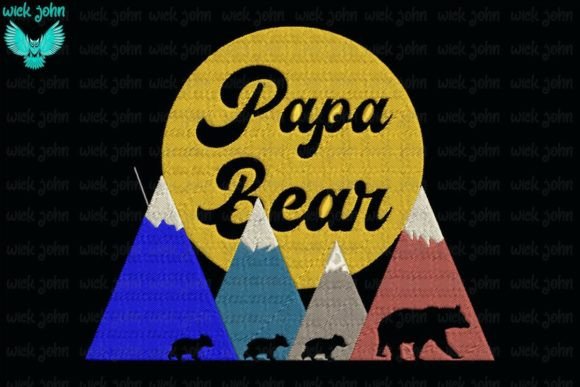
When I first opened the Papa Bear design file, my initial reaction wasn't about the technical specs or the number of stitches. It was about the mood. There is a specific kind of warmth that comes from a well-executed animal motif, and this design captures it immediately. As someone who spends hours evaluating digital assets for both personal handmade products and commercial client work, I look for designs that feel authentic rather than generic. This Papa Bear design strikes a balance between playful charm and structural integrity that makes me confident enough to put it on a finished product.
The visual personality of this piece is distinct. It avoids the overly cartoonish aesthetic that can sometimes cheapen a brand, opting instead for a cleaner silhouette that translates well across different fabric textures. Whether you are an Etsy seller looking to boost your Father's Day inventory or a boutique owner creating custom apparel, the first impression matters. This design feels like it belongs in a nursery, on a kitchen towel, or as a subtle accent on a men's sweatshirt. It has the versatility to be a focal point without overwhelming the garment.
Real-World Application: From Digital File to Finished Product
To truly understand how Papa Bear performs, we have to move past the screen and imagine it stitched into reality. Let's walk through a practical scenario: preparing a batch of custom tote bags for a local craft fair. You want something that resonates with parents but doesn't scream "baby shower." This design fits perfectly. The layout allows for a centered placement on a canvas tote, where the bear acts as a friendly mascot for the bag.
In this context, the stitching clarity becomes critical. When I simulate the process, I see that the fill stitches create a solid, plush look that mimics fur texture effectively. However, if you plan to use this on a thin cotton tote, you must consider the weight of the design. For heavier applications, like a fleece sweatshirt for a father figure, the density holds up beautifully. The contrast between the satin stitch outlines and the interior fills gives the image depth, ensuring it doesn't look flat against the fabric background.
I also considered using this for a personalized gift project, such as a baby onesie. Here, the design's scale is key. If the hoop size is too large relative to the garment, it might look awkward on a newborn outfit. But on a larger item like a pillow cover or a tea towel, the proportions feel natural. Customers buying handmade items often judge quality by how the design interacts with the material. A well-stitched Papa Bear on a linen apron suggests care and attention to detail, which increases the perceived value of your handmade product.
Navigating Fabric Challenges and Limitations
No single design works everywhere, and being honest about limitations is part of professional review. While Papa Bear is robust, there are specific scenarios where caution is required. If you are working with stretchy fabrics like jersey knit for t-shirts, you need to ensure you are using the correct stabilizer to prevent puckering. The design likely contains areas of high stitch density; if the fabric isn't supported properly during the embroidery process, those dense areas could pull the material, ruining the drape of the shirt.
Texture is another factor. On a heavily textured fabric like a boucle wool or a rough burlap sack, fine details might get lost. The definition of the bear's features relies on clean lines, which can be obscured by a thick weave. Similarly, if you are attempting this on dark fabric, thread color selection becomes paramount. Without proper underlay or contrasting thread choices, the design might lack the pop needed to stand out. Always test your thread colors against the final fabric before committing to a full production run.
Curved surfaces, such as caps or hats, present their own set of challenges. While the design might fit a standard 4x4 hoop, transferring it onto a curved brim requires careful digitizing adjustments or a specialized cap frame. If the original file isn't optimized for curvature, the stitching may bunch up at the edges. For embroidered patches intended for iron-on application, check the edge finish. Some machine embroidery files require a tight border to prevent fraying when cut out, so inspect the outer edges of the design carefully.
Designing for Commercial Success and Brand Consistency
For small business owners and creative entrepreneurs, every asset contributes to brand identity. Using a cohesive design like Papa Bear helps establish a recognizable style. Imagine a collection of Father's Day gifts featuring matching designs on aprons, mugs (via sublimation mockups), and shirts. The consistency builds trust with buyers. They know what to expect from your shop, and the quality of the embroidery reflects directly on your reputation.
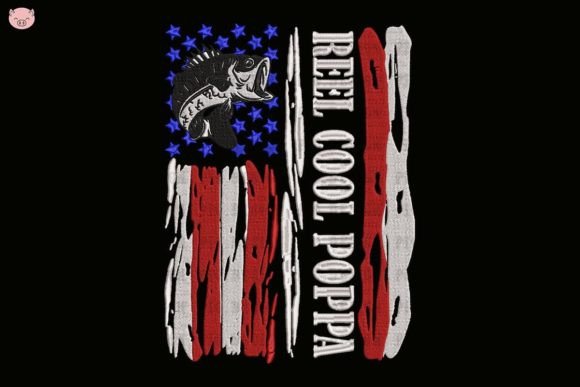
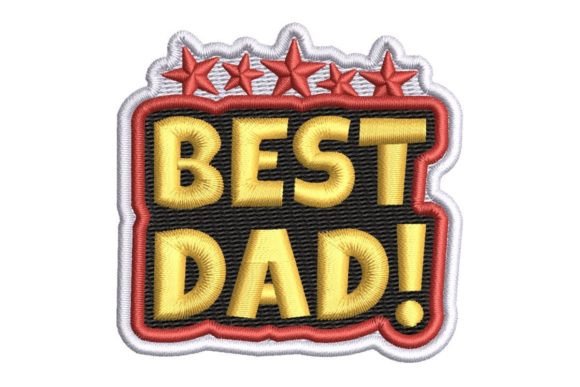
This design is particularly strong for holiday embroidery projects. Father's Day is a market saturated with generic text-based designs. Adding a character element like this bear sets your products apart. It transforms a simple "Best Dad" slogan into a narrative piece. When customers see a finished product, they aren't just buying a shirt; they are buying a sentiment. The visual appeal of the bear adds an emotional layer that pure typography often lacks.
However, before you start listing this on Etsy or printing mockups for your online store, there are practical steps to take. First, verify the file formats. Ensure you have the necessary extensions for your specific machine. Second, review the stitch density. High-density designs consume more thread and time, which impacts your pricing and production speed. If you are selling finished items, calculate these costs accurately to maintain profitability.
Don't forget to test the design in black and white mockups. Sometimes, color masks can hide issues with spacing or alignment. Seeing the design in grayscale helps you assess the balance of light and dark areas. If the design looks muddy or unbalanced in monochrome, it might struggle to render well in certain thread combinations. Also, confirm the licensing terms. Are you allowed to sell finished items made with this design? Is there a limit on the number of units? These details are crucial for avoiding legal pitfalls in your craft business.
Essential Notes for the Embroidery Designer
Before you hit the "start" button on your machine, keep these tips in mind to ensure the best outcome:
- Test on Scrap Fabric: Never start on your final customer item. Use a scrap piece of the same fabric to check tension and registration.
- Check Thread Contrast: Ensure the thread colors chosen provide enough visibility against the background fabric.
- Review Stitch Density: Look for areas that might be too dense, which can cause needle deflection or fabric distortion.
- Confirm Hoop Size: Make sure the design dimensions fit your available hoops and the garment area you intend to embroider.
- Inspect Small Details: Zoom in on the digital file to see if tiny elements might break down during stitching.
- Use Proper Stabilizer: Match the stabilizer type (cut-away, tear-away, or water-soluble) to the fabric weight and stretch.
- Verify Licensing: Double-check the license agreement for commercial use rights before selling any finished goods.
The Papa Bear design offers a solid foundation for a variety of projects, from simple hobbyist endeavors to serious commercial ventures. Its strength lies in its adaptability and clear visual structure. By understanding its capabilities and respecting the limitations of the medium, you can create beautiful, professional-looking items that customers will love. Whether you are making a one-off gift for a friend or building a line of boutique products, this design has the potential to be a standout asset in your collection. Just remember, the magic happens in the execution, not just the file itself.