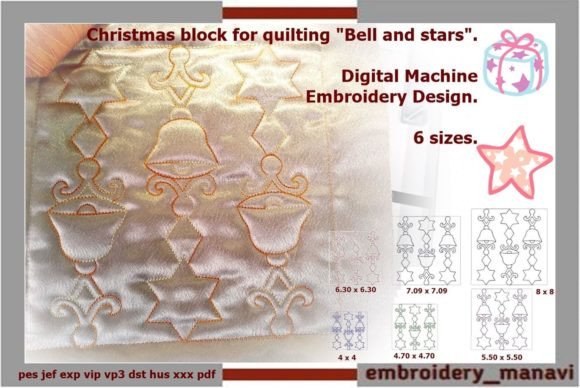
Quilt Block Christmas: A Designer's Real-World Review
As someone who spends more time in the hoop than anywhere else, I approach every new embroidery file with a mix of excitement and skepticism. We have all been there: clicking "buy" on a digital asset that looks perfect in a preview but fails miserably when stitched out on actual fabric. That is why I decided to put Quilt Block Christmas through its paces before recommending it for your next handmade product or client project. This isn't just another holiday design; it is a specific tool for creators who need reliable, high-quality assets for their craft business.
The first impression of Quilt Block Christmas is one of nostalgic charm without being overly cluttered. In the world of machine embroidery design, less often means more, especially when you are aiming for a professional finish. The layout feels balanced, capturing the essence of a traditional quilt block while remaining versatile enough for modern applications. It creates a warm, inviting mood that immediately signals "holiday home" to anyone seeing the finished piece. Whether you are an Etsy seller looking to refresh your shop listings or a small business owner creating boutique merchandise, this design offers the kind of visual personality that builds customer trust.
From Digital File to Finished Product
Let me walk you through a real scenario where I tested this design. Imagine you are preparing a custom order for a local holiday market. You need a unique item that stands out on a crowded table. You decide to create a set of kitchen towels and matching pillow covers featuring a festive motif. This is where Quilt Block Christmas shines. Unlike complex scenes that might get lost on a towel, this block design provides a strong focal point that works beautifully on smaller canvas areas like mug rugs or larger spaces like blankets.
I ran a test on a cotton tea towel using a standard stabilizer. The stitch density felt appropriate—not so heavy that it warped the fabric, yet dense enough to hold its shape over time. The way the design translates from screen to thread is crucial for any digital product seller. If the stitch density is off, the final look can appear muddy or uneven. Fortunately, this design maintains clarity even when scaled down slightly for items like aprons or baby clothes. When I held up the finished sample, the contrast between the threads and the fabric was crisp, giving the item a premium feel that customers are willing to pay for.
Where This Design Fits Best
The versatility of Quilt Block Christmas makes it a valuable addition to any designer's library. It is not limited to just one type of project. Here is how I see it performing across different categories:
- Custom Apparel: While it works well on sweatshirts and t-shirts, it requires careful placement to avoid distortion on stretchy fabrics. It is excellent for the chest area of a hoodie or the back of a denim jacket.
- Home Decor: This is the sweet spot. Pillow covers, blanket borders, and wall hangings benefit from the structured nature of a quilt block. It adds a cohesive look to a room without overwhelming the space.
- Baby Items: For baby embroidery, safety and softness are paramount. The design lacks sharp, jagged edges that could irritate sensitive skin, making it ideal for onesies or burp cloths.
- Commercial Merchandise: Small shop owners can use this as a base for branded tote bags or holiday gift sets. The clean lines allow for easy integration with logos or text if you choose to add them later.
When creating a printable mockup for your online store, this design allows you to showcase a variety of products quickly. Because it is a standalone block, you can easily visualize it on different backgrounds, helping potential buyers understand the scale and impact of the final product.
Potential Pitfalls and Where to Be Careful
Even the best embroidery project can go wrong if the context isn't right. There are specific situations where Quilt Block Christmas might not be the ideal choice. First, consider the hoop size. If you are working with a very small hoop, such as those used for caps or patches, the details might become too compressed. Always check the dimensions against your machine's capabilities before committing to a run.
Textured fabrics also require attention. While the design holds up well on smooth cottons, it may struggle on heavily textured materials like bouclé or thick fleece. The stitches might not penetrate evenly, leading to a lumpy appearance. Similarly, dark fabrics demand high thread contrast. If you plan to use this on black or navy material, ensure your thread colors are bright enough to pop. Otherwise, the design will disappear into the background, reducing the perceived value of the item.
Another critical factor is durability. Products that need frequent washing, such as aprons or work shirts, must be stabilized correctly. Without proper support, the satin stitch areas can pull, and the fill stitch sections might shift. This is especially important for commercial embroidery where customer satisfaction depends on longevity. If the design is intended for a garment that will be washed weekly, double-check your stabilizer choice and underlay settings.
Practical Notes for the Professional Creator
Before you start stitching, there are a few steps every experienced designer takes to ensure success. First, always test the design on scrap fabric. This simple step reveals issues with tension, thread breaks, or alignment that you might miss otherwise. Second, review the stitch types closely. Understanding whether the design uses running stitch for outlines or fill stitch for fills helps you anticipate how it will behave on different materials.
If you are selling finished goods, licensing is non-negotiable. Confirm that your purchase allows for commercial use. Some digital embroidery files come with restrictions that prevent you from reselling the items you create. Ignoring this can lead to legal trouble and damage your reputation as a craft business owner. Additionally, inspect small details. Sometimes, tiny elements can get lost during the digitizing process, appearing as faint smudges rather than clear shapes. Zooming in on your design software can catch these errors early.
Finally, think about the overall aesthetic of your brand. Does Quilt Block Christmas fit the vibe of your shop? Consistency in design quality builds a loyal customer base. If your other products feature intricate, detailed art, a simple block might feel out of place. However, if your style leans towards rustic, cozy, or traditional, this design is a perfect match.
In conclusion, Quilt Block Christmas is a solid, practical choice for designers who value reliability and charm. It avoids the trap of being too trendy or too complicated, offering a timeless appeal that works well for gifts, decor, and apparel. By testing thoroughly and understanding the limitations of your equipment and materials, you can turn this embroidery design into a standout product that delights your customers and elevates your portfolio.