Cow Cross Stitch Review for Craft Fairs
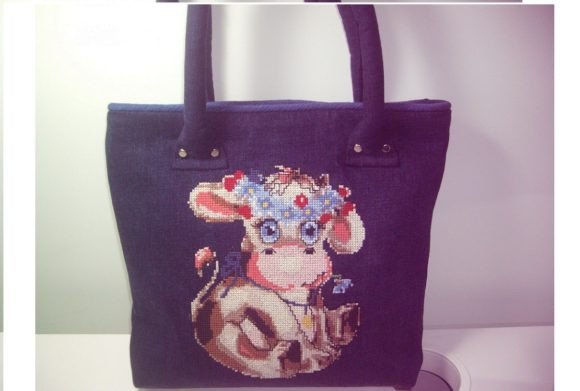
When I first opened the file for the Cow Cross Stitch design, my immediate thought was about the energy it would bring to a weekend craft fair table. As an experienced embroidery designer who has spent years judging what sells and what just sits on the shelf, I know that the difference between a "nice" item and a "must-have" often comes down to visual appeal and practical production value. This piece, featuring a cow with daisies in a cross-stitch style, hits that sweet spot of rustic charm and modern farmhouse aesthetic that is currently dominating the handmade market.
The First Impression: Farmhouse Charm Meets Modern Style
The title alone suggests a playful yet grounded vibe. The description highlights this as a machine embroidery design perfect for farmhouse decor, which immediately signals its target audience. In a sea of generic floral patterns and abstract art, the Cow Cross Stitch stands out because it combines two distinct textures: the classic look of cross-stitch with the precision of machine embroidery. It feels cute without being childish, and rustic without looking dated. For an Etsy seller or boutique maker, this design offers a versatile brand asset that can elevate simple items into premium gift-worthy products.
Visually, the inclusion of daisies adds a soft, welcoming touch that balances the sturdy nature of a cow motif. It is decorative enough to be a focal point but simple enough to work as an accent. When I imagine this design on a display table, it catches the eye not because it is loud, but because it evokes a sense of homey comfort. It is bold in its simplicity and elegant in its execution, making it suitable for everything from high-end boutique pillows to affordable market bags.
Product Potential: Where Cow Cross Stitch Shines
Let's talk about where this Cow Cross Stitch design will actually sell. In my experience, the best craft fair products are those that serve a purpose while delivering a strong emotional connection. Here is how this design performs across various categories:
- Tote Bag Design: A cow with daisies on a canvas tote bag is a winner. It transforms a basic utility item into a statement piece. Customers love bags that reflect their personality, and this design offers a whimsical nod to country life. It photographs beautifully for online listings, appearing crisp and inviting even in small thumbnail images.
- Apron Embroidery: For the kitchen enthusiast, this design is ideal. Placed on the bib of a linen apron, it becomes a conversation starter. The cross-stitch texture mimics the look of traditional needlework, adding perceived value to the garment. It works particularly well on light-colored cotton or denim aprons.
- Tea Towel Embroidery: Kitchen towels are high-volume sellers at craft fairs. The Cow Cross Stitch fits perfectly in the corner or center of a tea towel. It is repeatable for batch production, allowing you to create sets (e.g., one cow, one chicken, one sheep) that customers want to buy together.
- Embroidered Patch: If you offer custom patches, this design is excellent. It can be trimmed and sewn onto denim jackets, caps, or backpacks. The clean lines of the cow and flowers ensure it looks good even when scaled down slightly.
- Pillow Covers: For home decor enthusiasts, placing this design on a decorative pillow cover creates a cozy vignette. It pairs wonderfully with neutral fabrics like cream, sage green, or chambray blue.
- Small Pouches and Market Bags: These smaller items are great impulse buys. The design is detailed enough to look professional on a small fabric pouch but large enough to be seen clearly.
Production Practicality and Selling Strategy
From a production standpoint, this Cow Cross Stitch file is a smart choice for a busy crafter. Understanding the stitch density is crucial here. Because it mimics cross-stitch, the design likely relies on satin stitches or specific fill patterns to create that grid-like effect. This requires careful attention to thread colors to ensure the contrast pops. When photographing these finished products for your Etsy shop or social media, the texture created by the stitching adds depth, making the product photos look more tactile and desirable.
One of the biggest advantages of this design is its repeatability. If you are running a small shop, efficiency matters. You can easily produce multiple units of the same product type, such as a stack of embroidered patches or a row of matching aprons. The design is clear enough to be understood at a glance, which is vital for booth displays where customers might only have seconds to look before moving on.
Important Considerations for Success
While this design has immense potential, there are specific technical factors you must manage to ensure your final product looks professional. Ignoring these details can lead to customer returns or damaged reputations.
- Stitch Density and Tiny Details: Check the density of the cow's features and the petals of the daisies. If the design is too dense, it may pucker thin fabrics like lightweight muslin. Conversely, if it is too sparse, it might look unfinished on heavier materials. Always inspect the stitch density before starting a large run.
- Fabric Texture: The cross-stitch look interacts differently with various fabrics. On a textured terrycloth tea towel, the stitches might sink in slightly, altering the visual impact. On smooth sateen, they will stand out sharply. Test your design on scrap fabric that matches your intended final material to see how the threads lay.
- Hoop Size and Placement: Confirm the recommended hoop size for this embroidery file. A design meant for a 4x4 hoop might need resizing to fit the narrow area of a cap front or the wide expanse of a tablecloth. Ensure you have enough clearance around the edges to avoid stitching errors.
- Thread Colors: The success of this design hinges on color selection. Using standard white thread on a dark background might lose the delicate daisy details. Experiment with different thread colors to find the right balance between visibility and the intended rustic aesthetic.
- Dark Fabric Challenges: If you plan to embroider this on dark fabric, consider using a stabilizer that provides extra support and perhaps a underlay stitch to prevent the design from sinking into the weave. Dark backgrounds can sometimes swallow up fine details if the topstitch isn't thick enough.
Designer's Checklist for Commercial Sales
Before you head to your next craft fair or upload your digital assets, follow this checklist to ensure your Cow Cross Stitch products are ready for prime time:
- Test on Scrap: Never skip the test run. Use scrap fabric to check tension, thread breakage, and overall appearance.
- Create Real Mockups: Do not rely solely on digital mockups. Create at least one physical sample to take photos of. Real-world lighting reveals texture issues that screens hide.
- Review Spacing: Ensure the spacing between the cow and the daisies allows for proper trimming and finishing, especially if you are making patches.
- Confirm Licensing: Verify your commercial licensing terms. Are you allowed to sell finished products? Are there restrictions on the number of units you can produce?
- Compare Fabrics: Test the design on at least three different fabric types (e.g., cotton, linen, denim) to determine which yields the highest perceived value.
Ultimately, the Cow Cross Stitch design is a strong contender for any handmade business looking to tap into the farm animal trend. It bridges the gap between traditional crafts and modern machine embroidery, offering a unique selling proposition for craft fair sellers and online shop owners alike. By paying attention to the technical details and presenting the finished product with care, you can turn this digital file into a profitable line of farm animals themed merchandise that resonates with buyers everywhere.