4th of July Sunflower Review
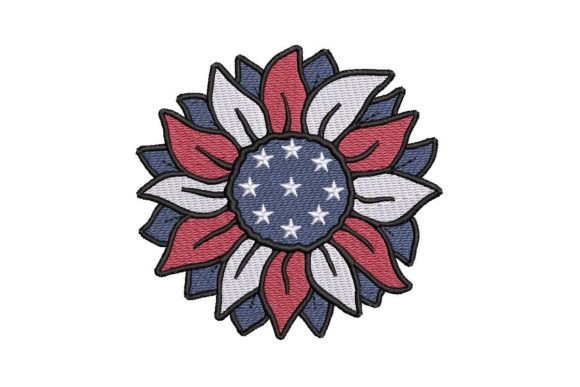
I have stitched hundreds of patriotic designs, but few capture that specific blend of rustic charm and festive pride quite like 4th of July Sunflower. As a designer who frequently tests files before committing them to client projects or Etsy listings, I approach this piece with a critical eye. It is not just another graphic; it is a functional embroidery file that demands to be evaluated for its real-world performance on fabric. The concept is simple yet effective: a sunflower adorned with hanging flags, creating a visual narrative that feels both welcoming and celebratory.
The first impression when opening the design file is one of balanced composition. The layout avoids the cluttered look that plagues many holiday-specific designs. Instead, it offers a clear focal point with the sunflower head, anchored by the decorative flags that drape naturally around it. This isn't a generic clip-art arrangement; it has a distinct personality that suggests warmth and Americana tradition. For anyone looking to create a handmade product that stands out in a crowded marketplace, this kind of thoughtful layout is essential. It signals professionalism immediately, which is crucial for Etsy sellers and small shop owners trying to build trust with their buyers.
Real-World Application on Custom Apparel
To truly understand the value of this design, I imagine it in action on a custom project. Picture a heavy-weight cotton tote bag intended as a promotional item for a local boutique or a gift for a customer's Independence Day party. Placing 4th of July Sunflower on the front center creates an immediate connection. The colors, based on ISACORD 40 thread, are vibrant and saturated, which translates beautifully to the final stitched result. However, the success of this embroidery project depends heavily on the substrate. On a canvas tote, the design pops with a crisp, clean finish that elevates the perceived value of the bag.
I also envision this design on a baby onesie or a nursery pillow cover. The sunflower motif softens the typical red, white, and blue palette often associated with the holiday, making it more approachable for children's items. When used on custom apparel like sweatshirts or t-shirts, the design adds a touch of seasonal flair without being overwhelming. It serves as a perfect conversation starter at a summer barbecue or a craft fair booth. The hanging flags element adds dynamic movement to the piece, ensuring the finished product looks lively rather than static. For digital product sellers, this versatility means you can market the same file across multiple categories, from kitchen towels to holiday gifts, maximizing your return on investment.
Technical Performance and Stitch Density
When evaluating the technical execution of 4th of July Sunflower, attention to stitch density is paramount. The design utilizes a mix of satin stitch for the outlines and flag borders, providing a smooth, glossy edge that catches the light. The fill stitches within the sunflower petals appear robust enough to hold their shape without puckering, provided the correct stabilizer is used. This balance is vital for maintaining the integrity of the finished product, especially if the item will undergo frequent washing.
However, there are nuances to consider. If you are working with thin fabrics or stretchy materials like jersey knit, the density might cause some distortion if not properly stabilized. In these cases, using a cut-away stabilizer is non-negotiable to ensure the design lays flat and retains its definition. For embroidered patches or items that require rigidity, the design holds up well, offering a durable and professional look. The detail level is high enough to showcase texture in the flower petals, yet low enough to prevent stitching issues on smaller hoop sizes. It strikes a difficult balance between artistic expression and mechanical feasibility.
Where Caution Is Required
While this design is versatile, it is not a universal fit for every surface. There are specific scenarios where 4th of July Sunflower requires careful consideration. Small hoop sizes can be tricky; if the design extends too close to the edges, the tension may vary, leading to uneven stitching. Similarly, textured fabrics like bouclé or thick fleece can obscure the finer details of the flags and petals, diminishing the visual impact. In such instances, the design might look muddy or lose its crispness.
Dark fabrics present another challenge. While the ISACORD 40 colorway is bright, the contrast against black or navy backgrounds needs to be tested. Without proper underlay or a lighter base layer, the colors may not pop as intended. Furthermore, curved surfaces like caps demand a specific digitizing approach to account for the curvature. If the file was optimized for flat surfaces, applying it to a hat might result in distortion at the crown. For commercial embroidery projects, always verify the design works on the specific garment type before mass production. Testing on scrap fabric is the only way to confirm how the thread colors interact with your specific material.
Impact on Brand Consistency and Customer Trust
In the world of craft business and creative entrepreneurs, the quality of the embroidery speaks volumes about your brand. A sloppy stitch job can undermine years of reputation building. 4th of July Sunflower, when executed correctly, enhances brand consistency. It conveys a sense of care and attention to detail that customers appreciate. When a buyer receives a personalized gift or a boutique item featuring this design, they are more likely to associate the quality of the stitching with the overall quality of your work. This positive association drives repeat business and word-of-mouth referrals.
The design also plays a significant role in marketing. High-quality images of the embroidery file in use can serve as powerful printable mockups for social media or online stores. The combination of the sunflower and flags is visually appealing and instantly recognizable as a holiday theme, making it easier to attract potential buyers searching for Independence Day decor. For apparel decorators, having a reliable design asset simplifies the workflow, allowing for faster turnaround times on rush orders.
Practical Designer Notes for Implementation
Before integrating 4th of July Sunflower into your production line, there are several practical steps to take. First and foremost, test the design on a scrap of the actual fabric you intend to use. This allows you to check the stitch density and ensure there are no skipped stitches or tension issues. Review the color palette carefully; while the design references ISACORD 40, you must convert these colors if they are unavailable in your area to maintain the intended vibrancy.
Inspect the small details closely, particularly the tips of the flags and the inner petals of the sunflower. These areas are prone to breakage if the fabric is too dense or the thread is too thin. Confirm the recommended hoop size and ensure your machine setup aligns with the file specifications. If you plan to sell finished items, double-check the licensing terms to ensure you have the right to use the design commercially. For those creating digital embroidery files or selling design assets, understanding the technical requirements is just as important as the aesthetic appeal.
Ultimately, 4th of July Sunflower is a strong contender for any designer looking to add a touch of patriotic charm to their collection. It balances traditional holiday motifs with modern design sensibilities, making it suitable for a wide range of applications. Whether you are crafting a unique tote bag design, personalizing a baby item, or stocking your shop with seasonal merchandise, this design offers the reliability and visual appeal needed to succeed. By approaching it with the right preparation and technical knowledge, you can transform a digital file into a cherished personalized gift that celebrates the spirit of the season.