4th of July Girl Review
As a designer who has spent years stitching, selling, and refining handmade goods for boutique clients, I approach every new embroidery design with a mix of excitement and skepticism. We have all been there: downloading a file that looks perfect on screen but fails to translate when the needle hits the fabric. That is why I decided to put 4th of July Girl through its paces before adding it to my commercial library or using it in a client's custom order. This review focuses on practical application, visual impact, and how this specific piece fits into the broader landscape of Independence Day crafting.
The First Impression: Mood and Visual Personality
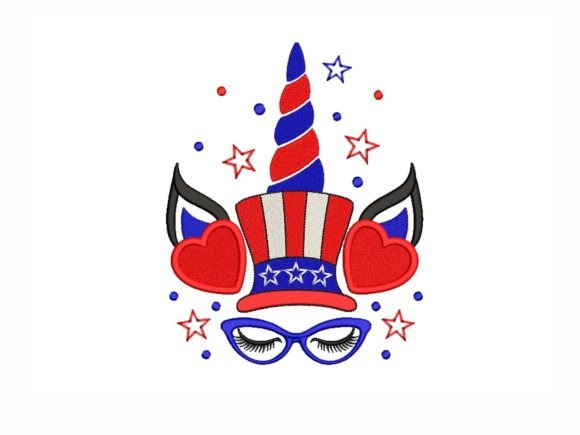
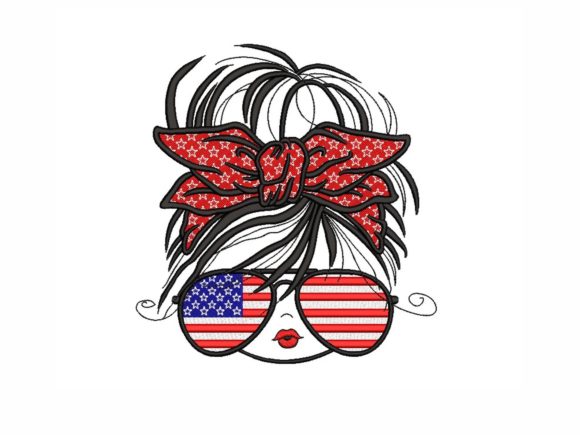
When you first open the digital package for 4th of July Girl, the immediate feeling is one of curated charm rather than loud patriotism. The layout suggests a character-driven approach, likely featuring a stylized figure or thematic elements that balance playfulness with elegance. For designers looking to move away from generic stars and stripes, this design offers a refreshing narrative quality. It feels like it belongs on a high-end children's garment or a boutique tote bag rather than a mass-produced souvenir.
The visual personality is defined by clean lines and a balanced composition. In the world of machine embroidery design, the difference between a good digitizing job and a great one often lies in how the eye travels across the image. 4th of July Girl seems to guide the viewer naturally, avoiding cluttered corners that can trap thread bunching. It creates a mood that is festive yet sophisticated, making it an excellent candidate for brands that want to celebrate the holiday without looking tacky. The shape and theme suggest a design that works well as a standalone statement piece or as a central focal point on a larger project.
Real-World Application: From Screen to Stitch
Let's talk about where this design actually shines in a real-life scenario. Imagine you are an Etsy seller preparing inventory for the summer season. You are working on a line of custom embroidered aprons for a local bakery chain. They need something that screams "American Summer" but still looks professional enough to be worn in a commercial kitchen. Placing 4th of July Girl on the chest area of a heavy-duty canvas apron could transform a standard work uniform into a branded asset that customers love.
I also see this design performing exceptionally well on soft goods like sweatshirts and baby onesies. The potential for a personalized gift is high here. Picture a mother ordering a matching set of items—a mom's tote bag and a baby's bib—both featuring the same cohesive motif. The design's clarity ensures that even on small surfaces like a cap brim or a pillow cover, the details remain legible. For crafters participating in holiday markets, this design offers a versatile option that can be adapted for various price points, from simple tea towels to premium quilt blocks.
However, the success of the finished product relies heavily on your execution. When evaluating the stitch density and satin stitch areas, you must consider the fabric texture. On a smooth cotton poplin, the definition will be crisp, but on a textured linen or a fuzzy fleece, the finer details might soften. This is not a flaw in the design itself, but a characteristic of how different materials interact with fill stitch and running stitch. If you are creating a patch, the dense areas will provide durability, but if you are embroidering on stretchy knit fabric, you will need to be extra vigilant with stabilizer choices to prevent puckering.
Where to Exercise Caution
No single design is a universal solution, and 4th of July Girl has specific constraints that every designer should respect. Small hoop sizes present a particular challenge. If you attempt to stitch this on a 4x4 hoop, ensure that the dimensions of the character do not get cut off at the edges. Conversely, on very large garments, the design might appear too small unless scaled appropriately, which can sometimes alter the aspect ratio of the digitizing.
Textured fabrics and thin materials require careful handling. A delicate silk or a loosely woven gauze may struggle to support the tension required for a detailed patriotic design. Similarly, dark fabrics demand a specific thread color strategy; if the underlay is not sufficient, the colors may bleed or look muddy against a black background. Curved surfaces like caps are another area where precision is key. While the design might look great flat, the curvature of a hat can distort the perspective if the digitizing does not account for the three-dimensional surface.
Dense stitch areas can also lead to issues if the fabric is not stabilized correctly. Over-stitching can make the material stiff and uncomfortable, which is a dealbreaker for wearable items like baby clothes or loungewear. Additionally, if the design includes tiny lettering or intricate decorative accents, these elements may become indistinguishable after washing, especially if the customer uses harsh detergents or frequent machine cycles. Always inspect small details before committing to a bulk production run.
Impact on Brand Value and Customer Trust
In the competitive world of handmade products, the quality of your embroidery speaks volumes about your brand. A well-executed embroidery project builds trust and justifies higher price points. When a customer receives a personalized gift with sharp, clean stitches and vibrant thread colors, they perceive value beyond the raw materials. 4th of July Girl, if stitched with care, elevates the perceived professionalism of your shop.
This design has the potential to enhance brand consistency. Whether you are selling digital mockups or physical goods, having a cohesive aesthetic helps customers recognize your work immediately. For Etsy sellers and small business owners, the ability to offer a unique, high-quality item can differentiate you from competitors who rely on generic templates. The "finished product" quality directly influences buyer engagement and repeat purchases. A sloppy stitch job can ruin the presentation of even the most beautiful concept, while precise digitizing turns a simple pattern into a cherished keepsake.
Practical Designer Notes for Success
Before you start stitching, there are several technical steps you must take to ensure the best results. First, always test the design on scrap fabric that matches your final project material. This allows you to check the hoop size requirements and observe how the stabilizer interacts with the fabric during the process. Check the thread color contrast carefully; what looks good on a monitor might clash in person depending on the lighting and fabric hue.
Review the stitch density and confirm that the design works for both personal and commercial projects according to your license agreement. Inspect small details by zooming in on the digital preview to ensure no lines are too thin to stitch. Test the design in black and white mockups to verify that the contrast holds up without relying on color alone. Compare light and dark fabric backgrounds to determine if you need to adjust the underlay or add a backing layer.
If you are unsure about the exact file formats included, such as whether it supports applique design techniques or comes with multiple embroidery file extensions for different machines, check the product description or contact the creator. Confirm licensing terms before selling finished items or distributing digital assets. By taking these precautions, you ensure that 4th of July Girl becomes a reliable tool in your creative arsenal, ready to help you produce top-tier custom apparel and holiday embroidery pieces that stand out in any market.