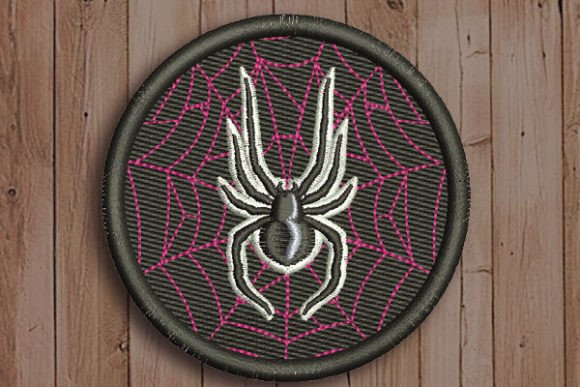
Spider in Circle: A Designer's Review for Small Business Merch
As an experienced embroidery designer who has spent years crafting assets for everything from boutique clothing lines to corporate uniforms, I often get asked about the balance between playful aesthetics and professional polish. Today, I am reviewing a specific design asset called Spider in Circle. At first glance, this machine embroidery design appears to be a fun and easy-to-stitch option that promises elegance regardless of the fabric it adorns. However, when evaluating a design for commercial use—specifically for small business merchandise, branded patches, and product labels—the "fun" factor must be weighed against brand identity and durability.
This review focuses on how Spider in Circle performs as a digital embroidery file intended for real-world applications like staff uniforms, apron embroidery, cap embroidery, and tote bag designs. Whether you are an Etsy seller looking for unique branding or a local bakery owner wanting embroidered product tags, understanding the nuances of this design is crucial before hitting the stitch button.
The First Impression: Personality and Brand Fit
When I first loaded the design into my digitizing software, the immediate impression of Spider in Circle was one of approachable whimsy wrapped in a structured frame. The circular motif suggests unity and completeness, while the spider element introduces a touch of nature-inspired intrigue. In the context of the Bugs category within Embroidery, this design stands out because it avoids being overly creepy or chaotic. Instead, it feels elegant and gorgeous, as the description claims, making it versatile enough for various industries.
For a small business, visual personality is just as important as product quality. This design leans towards a friendly, modern, and slightly rustic vibe. It works exceptionally well for creative studios, handmade brands, pet businesses, and florists that want to convey a sense of craftsmanship. However, it might feel too casual for high-end luxury goods or strictly corporate environments. The key here is that the design is not merely decorative; it serves as a visual anchor for your brand identity. When stitched correctly, it projects a message of attention to detail and a love for the craft.
Real-World Application: From Patches to Product Labels
The true test of any digital embroidery file is its performance on actual materials. I have simulated several scenarios where Spider in Circle could serve as a powerful asset for small business merch.
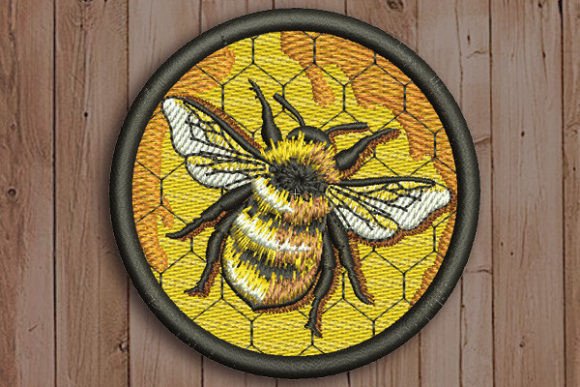
- Embroidered Patches: The circular shape makes this design ideal for creating iron-on or sew-on patches. These can be applied to denim jackets, backpacks, or the collars of work shirts. Because the design is contained within a circle, it creates a cohesive logo that looks premium when used as a standalone patch.
- Staff Uniforms and Aprons: For cafes, bakeries, or boutiques, chest logos are standard. Spider in Circle offers a unique alternative to traditional text-only logos. Placing this on the left chest of a uniform or the bib of an apron adds a subtle signature of the brand without overwhelming the wearer.
- Caps and Headwear: Cap embroidery requires designs that curve well with the fabric. The round nature of this design adapts nicely to the front panel of a baseball cap or a flat-brimmed hat. It serves as a perfect accent piece for event merch or promotional giveaways.
- Tote Bag Design and Packaging: A tote bag design featuring this motif can elevate a simple canvas bag into a branded shopping experience. Similarly, using this as a small accent on product packaging, such as a tag on a candle box or a garment label, reinforces the handmade product aspect of your business.
In these contexts, the design acts as a conversation starter. Customers appreciate the effort put into custom apparel and branded items, which increases perceived value and fosters customer trust. When a buyer sees a consistent visual theme across their purchase, they are more likely to view the business as professional and reliable.
Strategic Considerations and Limitations
While Spider in Circle is described as easy to stitch, every commercial embroidery project comes with technical constraints. As a designer, I advise caution in specific areas to ensure the finished product meets quality standards.
One critical area to watch is stitch density. If the design contains intricate details within the spider figure or the circle border, stitching it at a very small size on a tight patch may cause the fabric to pucker or the stitches to merge, losing definition. You must evaluate if the design retains clarity when reduced to a small patch size or a tiny sleeve detail.
Fabric texture also plays a major role. While the description states it will look gorgeous on any fabric, textured materials like heavy corduroy or loose-weave linen can distort fine lines. Dark uniforms require careful thread color selection to ensure the design pops; otherwise, the contrast may be lost, making the logo invisible. Additionally, items that need frequent washing, such as chef aprons or daily work shirts, require robust stabilization techniques to prevent the design from cracking or fading over time.
Curved surfaces, like the front of a cap, can sometimes stretch the design elements unevenly if the hoop size or stabilizer choice is incorrect. Therefore, testing on the actual material before bulk production is non-negotiable.
Practical Notes for the Embroidery Professional
To maximize the potential of Spider in Circle for your commercial embroidery projects, follow these practical steps derived from industry best practices.
- Test in Black and White First: Before committing to expensive specialty threads, run a test in neutral colors to check the layout and spacing. This helps identify any issues with density or registration.
- Verify Hoop Size and Stability: Confirm the recommended hoop size for your machine. Using the wrong stabilizer can lead to poor registration, especially on flexible fabrics like caps or tote bags.
- Check Thread Color Contrast: Ensure the thread colors chosen provide sufficient contrast against the background fabric. High contrast enhances visibility and professionalism.
- Create a Printable Mockup: Use a printable mockup to visualize the design on your specific products. This allows for client approval and helps you spot potential sizing issues before cutting fabric.
- Review Commercial Licensing: Always confirm commercial licensing terms before using the design for mass-produced goods. Ensure you have the right to sell items featuring this design.
If the original listing does not specify exact stitch counts, file formats, or precise hoop dimensions, do not guess. Contact the provider or consult the file metadata to ensure compatibility with your equipment. A mismatch in specifications can ruin hours of work and damage your reputation for quality.
Final Thoughts on Brand Value
Ultimately, Spider in Circle is more than just a bug-themed graphic; it is a tool for building brand recognition. When executed with care, it transforms generic merchandise into a distinctive brand asset. It signals to your customers that you pay attention to the little details, whether that is the placement of a logo on a tote bag or the precision of a patch on a uniform.
By treating this design as a core component of your visual strategy rather than just a decorative add-on, you enhance the overall presentation of your handmade products. For small business owners, designers, and crafters looking to elevate their custom apparel or embroidered patches, Spider in Circle offers a compelling blend of style and functionality. Just remember to validate the technical specs and test thoroughly to ensure your final product reflects the high-quality standards your business deserves.