Moth Mandala: A Designer's Review for Boutique Sweatshirts
As an embroidery designer who spends countless hours refining stitches for small boutique brands, I am always on the lookout for digital assets that balance artistic flair with commercial viability. Recently, I came across the Moth Mandala, a design described as high-quality and fun to stitch. Before committing this pattern to my latest limited drop of premium sweatshirts, I put it through a rigorous mental evaluation. The description promises a mysterious and gorgeous finish on any fabric, but does it truly hold up against the demands of real-world apparel decoration? This review breaks down exactly how this machine embroidery design fits into a modern handmade business strategy.
The First Impression: Mood and Visual Impact
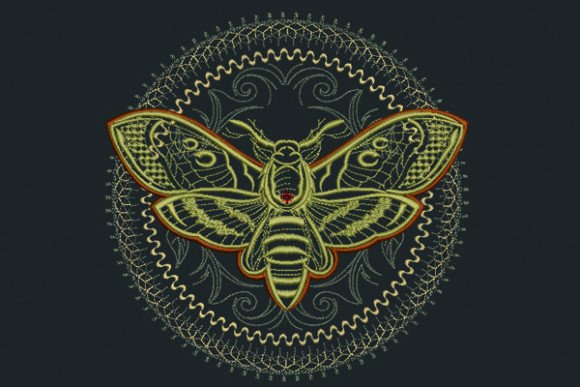
When you first open the file for the Moth Mandala, the immediate feeling is one of intrigue. The title alone suggests a blend of nature and geometry, which is a powerful combination in current fashion trends. Unlike standard floral patterns or generic geometric shapes, a moth motif carries a specific energy—it is nocturnal, elegant, and slightly mystical. When combined with mandala symmetry, the result is a design that feels both decorative and balanced.
For a boutique brand, this duality is essential. It allows the piece to feel feminine without being overly delicate and bold without being aggressive. In terms of layout, the radial symmetry of a mandala works exceptionally well for centered chest placements on oversized hoodies. It draws the eye naturally to the center of the garment, creating a focal point that looks intentional rather than accidental. Whether the goal is a rustic vibe or a playful aesthetic, the intricate lines of the moth wings suggest a level of detail that elevates the perceived value of the finished product.
Styling Moth Mandala on Premium Apparel
The versatility of this embroidery file makes it a prime candidate for various fabric textures and colors. Imagine stitching the Moth Mandala onto a heather grey crewneck sweatshirt. The neutral tone would allow the thread colors to pop, giving the design a clean, modern look suitable for lifestyle product photography. For those looking to create a cozy seasonal collection, placing this design on a pastel lavender or sage green hoodie adds a touch of whimsy that resonates deeply with crafters and creative entrepreneurs.
However, the true test of any design lies in its performance on darker fabrics. If you are producing a line of charcoal or midnight blue sweatshirts, the contrast becomes critical. The description notes that the design will look mysterious, which implies it thrives in low-light or dark settings. Using metallic threads or high-contrast white stitching could transform the moth wings into something that seems to glow against the dark background. This effect is perfect for evening wear or streetwear-inspired drops where you want the embroidery to feel like a hidden gem until the light hits it just right.
Furthermore, the scalability of the mandala structure means it can work beyond just the chest. Smaller iterations could serve as sleeve accents on long-sleeve tees, while larger versions could dominate the back of an oversized zip-up hoodie. This flexibility is crucial for Etsy sellers and small shop owners who need to maximize their design assets across multiple SKUs without buying new files for every single item.
Technical Considerations for Commercial Production
While the aesthetic potential is clear, a professional designer must also consider the technical realities of production. One of the primary concerns with any complex mandala-style design is stitch density. Because the Moth Mandala features intricate details within the wings and body, it requires careful planning to ensure the stitches do not crowd each other too tightly, which could cause puckering on thick sweatshirt fleece.
Selecting the right stabilizer is non-negotiable here. For heavy-weight cotton blends often used in boutique hoodies, a cut-away stabilizer is usually necessary to support the weight of the embroidery and prevent the fabric from distorting during the wash cycle. Without proper stabilization, the "gorgeous" finish promised in the description might be compromised by uneven tension or shifting fabric.
Hoop placement also plays a significant role. Since the design is likely symmetrical, finding the exact center of the garment before hooping is vital. If the placement is off-center, even by a fraction of an inch, the symmetry of the mandala will break, ruining the visual harmony. Additionally, when designing for mass production or custom orders, you must verify the hoop size required. If the design exceeds standard hoop dimensions, you may need to re-digitize sections or use multi-hoop techniques, which can increase production time.
Another practical concern is thread color contrast. To achieve the mysterious look mentioned in the product text, the choice of thread is paramount. Darker threads on dark fabric require a matte finish to avoid looking muddy, while lighter threads need high coverage to stand out against the texture of the sweatshirt. Always test your thread colors on scrap fabric before running a full production batch to ensure the final output matches your vision.
Building Brand Identity and Customer Trust
Beyond the mechanics of stitching, the Moth Mandala serves a strategic purpose in building a brand identity. In the crowded marketplace of digital embroidery files and handmade goods, unique designs are what separate a generic store from a boutique brand. A well-executed mandala design signals attention to detail and quality craftsmanship to the customer.
When a buyer sees a crisp, well-stitched mandala on a high-quality sweatshirt, they perceive higher value. This perception directly impacts buyer trust and willingness to pay a premium price. For small clothing brands, investing in unique design assets like this helps establish a recognizable visual language. Customers begin to associate the intricate style of the moth with your specific label, fostering loyalty and repeat business.
Moreover, the finished product becomes a key asset for marketing. High-resolution photos of the embroidered sweatshirt can be used as printable mockups for social media, Etsy listings, and online catalogs. The interplay of light and shadow on the raised embroidery creates depth in photographs, making the images more engaging and shareable. This visual engagement drives traffic and converts browsers into buyers.
Final Thoughts on Commercial Viability
The Moth Mandala appears to be a versatile and visually striking addition to any embroidery designer's toolkit. Its ability to convey mystery and elegance makes it suitable for a wide range of apparel styles, from casual streetwear to refined boutique collections. However, success depends on execution. Designers must carefully manage stitch density, choose appropriate stabilizers, and plan for precise hoop placement to ensure the design remains durable and attractive after washing.
Before moving forward with a full production run, it is wise to check the specific file format, recommended hoop size, and license terms provided by the creator. While the description highlights that the design is "fun and easy to stitch," confirming these technical details ensures a smooth workflow. For commercial embroidery projects, knowing the limits of the design prevents costly mistakes and wasted materials.
Ultimately, if you are looking to elevate your handmade product line with a design that feels both personal and professional, the Moth Mandala offers a compelling option. By combining thoughtful design choices with solid technical execution, you can create a limited sweatshirt drop that stands out in the market and resonates with your target audience of creative entrepreneurs and fashion-forward shoppers.