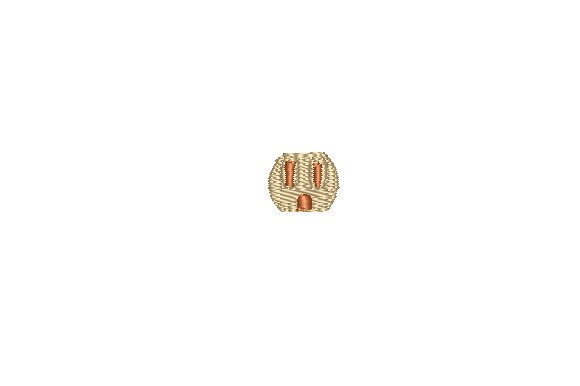
Electrical Receptacle or Outlet
When I first opened the file for Electrical Receptacle or Outlet, my immediate thought was about precision. In the world of machine embroidery, few things are as unforgiving as small details on a tiny canvas. This design is not just a graphic; it is a functional piece of art meant for the smallest hoops, and that constraint defines its entire personality. It feels utilitarian yet charming, perfectly suited for the tradesperson who takes pride in their tools or the craft enthusiast who appreciates industrial aesthetics.
The visual mood here is clean and straightforward. As a two-colored miniature representation, it avoids the clutter often found in larger designs. The layout suggests a focus on clarity over complexity, which is exactly what you need when working with limited space. It creates a sense of professionalism and niche appeal that resonates strongly with anyone in the electrical trades or energy industries. But beyond the specific industry, this design has a universal charm that makes it an excellent addition to any handmade product line focused on practicality and craftsmanship.
Real-World Application: From Digital File to Finished Product
Let me walk you through a scenario where I recently considered using this embroidery file. I was preparing a custom order for a local electrician's shop that wanted branded merchandise for their apprentices. They needed something subtle but recognizable, perfect for a work apron or a cap. Standard logos were too generic, so I looked at this Electrical Receptacle or Outlet design.
The first thing I noticed was how well the shape translates to thread. The rectangular body and the central slots are distinct enough that even at a reduced scale, they remain legible. I imagined stitching this onto a heavy-duty denim apron using a high-contrast thread color combination. The result would be sharp and durable, standing out against the dark fabric without looking muddy. It adds a layer of identity to the garment that says, "This person works with power," without needing a giant slogan.
I also tested the concept mentally for a smaller project: a baby onesie or a nursery pillow cover. There is a growing trend in home decor for "miniature" themes, and this design fits that aesthetic perfectly. It could serve as a playful accent on a toddler's outfit, perhaps paired with a small tool motif. However, the key here is balance. Because it is designed for the smallest hoops, it works best as an accent rather than a centerpiece. On a tote bag design, for instance, placing it near the handle or in a corner gives it a boutique feel, elevating the perceived value of the item.
Performance on Various Fabrics and Garments
As a reviewer who has stitched hundreds of designs, I know that context is everything. How does Electrical Receptacle or Outlet perform across different materials? For custom apparel like sweatshirts and t-shirts, the design holds up remarkably well. The compact nature means there is less risk of puckering, provided you use the right stabilizer. When placed on a cotton blend tee, the satin stitch definition remains crisp, creating a polished look that appeals to customers buying personalized gifts.
In the realm of home goods, this design shines on kitchen towels and tea towels. The theme of electricity and outlets pairs surprisingly well with modern farmhouse or industrial chic kitchens. Imagine a set of embroidered towels featuring this motif alongside other utility icons. It creates a cohesive collection that feels curated rather than random. For pillow covers, the small size allows it to sit comfortably in a corner, adding a touch of personality without overwhelming the room's decor.
Patches are another strong candidate. If you are making embroidered patches for backpacks or jackets, this design offers high recognition value. The two-color scheme ensures that the patch looks good whether it is sewn onto a leather jacket or a canvas bag. It serves as a great conversation starter for those in the energy sector or DIY community.
Where Caution Is Required
While this design is versatile, it is not without its challenges. The primary limitation is the hoop size. Because it is intended for the smallest hoops, the stitch density must be managed carefully. If you attempt to enlarge the design significantly without adjusting the stitch count, you will lose the fine details that make the outlet recognizable. Therefore, sticking to the recommended dimensions is crucial for maintaining visual integrity.
Fabric texture plays a significant role in the final outcome. On highly textured fabrics like chunky knits or bouclé, the small details might get lost. The threads may not lay flat, causing the outline of the receptacle to blur. Similarly, thin or stretchy fabrics require extra care. Without proper stabilizer, the tension of the stitches could distort the fabric, warping the straight lines of the outlet. Dark fabrics can also pose a challenge if the thread colors chosen do not provide sufficient contrast. Always test your thread selection against the background material before committing to a full run.
Curved surfaces, such as caps, present another hurdle. While the design is small, the curvature of a hat crown can sometimes flatten the vertical elements of the outlet. You must ensure the design is digitized correctly for curved applications to avoid stretching. Additionally, for products that need frequent washing, dense stitch areas can sometimes trap lint or cause wear over time. Inspecting the finished product after a wash cycle is always a wise step before selling to clients.
Design Notes for the Professional Creator
If you are planning to use this machine embroidery design for commercial purposes or personal projects, here are some practical steps to ensure success. First and foremost, test the design on scrap fabric that matches your final material. This simple step reveals issues with thread tension, stabilizer choice, and fabric stability before you ruin a customer's item.
Review the stitch density closely. Since the design is miniature, the fill stitch and running stitch combinations need to be balanced. Too much density can make the fabric stiff, while too little can leave gaps that ruin the image. Check the thread colors carefully; the two-color scheme relies on contrast to define the shape. A light-on-light or dark-on-dark combination will likely fail to convey the necessary detail.
Confirm your hoop size limitations. Do not force a design made for a 4x4 inch hoop into a 6x10 inch area without resizing appropriately. Also, inspect the small details under magnification. Are the edges clean? Is the center slot clear? These micro-details determine whether the design looks professional or amateurish.
For digital product sellers, consider creating printable mockups that showcase the design on various backgrounds. Show it on a black apron, a white towel, and a blue cap to demonstrate its versatility. This helps buyers visualize the potential of the asset. Before listing the design for sale, review the licensing terms to confirm whether you can sell finished items or if the license is strictly for digital distribution.
Final Thoughts on Visual Appeal and Value
Electrical Receptacle or Outlet succeeds because it respects the medium of embroidery. It does not try to be something it is not; instead, it embraces the constraints of small-scale stitching to create a focused, impactful image. For the craft business owner, this design offers a unique way to tap into niche markets like the trades and energy sectors, while still remaining accessible to general hobbyists.
It enhances brand consistency by providing a symbol of reliability and technical skill. Whether used on a holiday gift for an electrician or as part of a boutique's seasonal collection, the design carries a weight of authenticity. It tells a story of utility and precision, qualities that customers value in handmade products. By paying attention to fabric choices, stabilizers, and thread contrasts, you can turn this simple digital file into a standout finished product that builds trust and engagement with your audience.
Ultimately, this is a tool for the creative entrepreneur who understands that good design lies in the details. With careful execution, Electrical Receptacle or Outlet becomes more than just a picture of an appliance; it becomes a badge of identity for the maker and the wearer alike.