Bundle of Kitchen Designs Review
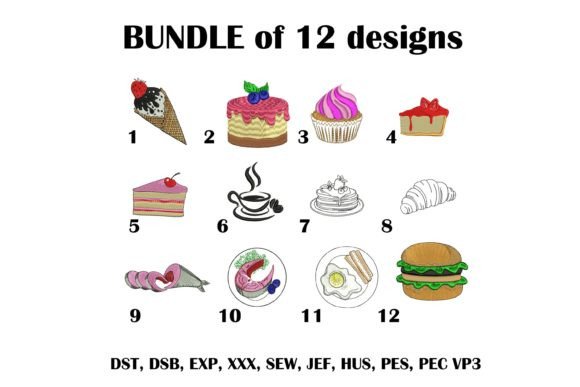
As a professional embroidery designer who has spent years refining the art of converting digital concepts into tangible brand assets, I approach every new file with a mix of excitement and scrutiny. When I first encountered the Bundle of Kitchen Designs, my initial thought was not just about decoration, but about its potential to elevate small business merchandise. The description promises to "add delicious accents" to items like kitchen towels, napkins, aprons, table cloths, and tea towels. This immediately signals a product that leans towards a friendly, rustic, and playful aesthetic, perfect for bakeries, cafes, and handmade food brands looking to add a touch of warmth to their visual identity.
First Impressions: A Friendly Brand Voice
The visual personality of the Bundle of Kitchen Designs appears to be rooted in charm and approachability. In the world of commercial embroidery, the difference between a generic logo and a memorable brand asset often lies in the specific style of the design. Based on the promise of "lovely-looking food designs," this collection suggests a soft, inviting look rather than a stark, corporate one. It feels ideal for businesses that want to convey a sense of homemade quality and artisanal care.
For a boutique shop or a creative studio, this design bundle offers more than just images; it offers a mood. Whether you are creating custom apparel for staff or branded product labels, these designs can serve as the visual anchor that tells your customers, "We take pride in our craft." The focus on food-related imagery aligns perfectly with the growing trend of supporting local artisans, making it a strategic choice for Etsy sellers and merch creators aiming to build a loyal community around their products.
Real-World Application for Small Businesses
Moving beyond the screen, how does the Bundle of Kitchen Designs perform when stitched onto real-world items? In my experience, the versatility of a design bundle is what makes it valuable for scaling operations. Imagine a local café wanting to launch a line of branded merchandise. These designs could easily transition from a simple chest logo accent on a work shirt to a larger, statement piece on a high-quality apron.
Consider the scenario of a handmade soap or candle maker who wants to include a branded patch on their packaging. The embroidered patch created from this bundle would add a tactile, premium feel that paper stickers simply cannot match. Similarly, for a florist or pet brand looking to diversify their offerings, applying these food-themed designs to tote bag designs creates a cohesive yet fun shopping experience. The designs act as a subtle nod to the lifestyle associated with the brand, enhancing customer engagement and recognition.
Furthermore, this machine embroidery design is excellent for event merchandise. Whether it is a cooking class, a farmers market pop-up, or a grand opening, having a set of coordinated food designs allows for consistent branding across caps, aprons, and tote bags. This consistency builds trust, showing customers that the business pays attention to detail even in its promotional materials.
Strategic Use Cases for Specific Products
- Staff Uniforms: Use smaller motifs from the bundle as sleeve details or pocket accents on chef coats or barista shirts. This adds a personalized touch without overwhelming the uniform.
- Apron Embroidery: The central designs are likely well-suited for the bib area of an apron, serving as a focal point that highlights the craftsmanship of the wearer.
- Cap Embroidery: Smaller elements from the collection can be scaled down for cap fronts, providing a stylish, low-profile brand mark.
- Tote Bag Design: For a larger canvas like a canvas tote, the full design can shine, turning a simple carry-all into a walking advertisement for the brand.
Critical Considerations and Limitations
While the potential is high, a professional review must also address where caution is required. Not every design works on every surface. When evaluating the Bundle of Kitchen Designs for production, several factors demand careful attention.
Small Patch Sizes: If you intend to use these designs as tiny patches for product tags or small garment labels, you must verify the level of detail. Intricate outlines and fine lines can become muddy when stitched at very small scales, potentially losing the "lovely" quality described in the title. Always test the design at its intended final size before committing to a bulk run.
Curved Surfaces and Cap Fronts: Embroidering on curved surfaces like caps requires specific digitizing techniques. If the design includes complex curves or dense stitching, it may pucker or distort on a rounded cap front. Ensure the stitch density is appropriate for the fabric type; too much density on a thin cotton tee or a structured cap can cause the fabric to wrinkle.
Fabric Texture and Dark Uniforms: The success of the thread colors depends heavily on the base fabric. On textured fabrics like heavy canvas or boucle, the definition of the design might be lost. Additionally, if you plan to embroider this on dark uniforms, you will need a high-quality underlay and possibly a top layer of white stabilizer or covering stitch to ensure the thread colors remain vibrant and true to the original design intent.
Impact on Brand Identity and Professionalism
In the competitive landscape of small business merch, visual consistency is key. Using a cohesive set of designs like the Bundle of Kitchen Designs helps establish a strong brand identity. It moves the perception of a product from a generic commodity to a curated, thoughtful item. When a customer receives a gift or purchases a product featuring high-quality embroidery, they perceive higher value and greater professionalism.
This attention to detail fosters customer trust. It signals that the business cares about the quality of its output, which translates to confidence in the core product, whether it is food, crafts, or services. The handmade product appeal is significantly amplified by the texture and depth that machine embroidery provides, creating a connection between the maker and the user.
Practical Designer Notes for Production
Before you download and start stitching, there are essential steps every designer should take to ensure a successful project. First, always test the design in black and white to check the balance of negative space and solid areas. This helps determine if the design holds up without relying on color contrast alone.
Review the thread colors provided in the file and compare them against your available inventory. You may need to adjust the palette to match your brand's specific hex codes or Pantone values. Inspect the spacing within the design to ensure no elements are too close together, which can lead to thread breaks or skipped stitches during high-speed production.
Confirm the hoop size requirements for each design in the bundle. Some elements may require multiple hooping sequences, which increases production time and cost. Always test on real fabric using the proper stabilizer for the material you are working with. A design that looks perfect on a kitchen towel might behave differently on a polyester apron or a denim tote bag.
Create a printable mockup for client approval before running the actual files. This allows stakeholders to visualize the final product and catch any issues early. Finally, and most importantly, confirm the commercial licensing terms. Ensure you have the right to use these digital embroidery files for resale items, such as selling embroidered aprons or patches. Without the correct license, your business could face legal complications.
The Bundle of Kitchen Designs represents a valuable asset for those looking to expand their custom apparel and product designers portfolios. By understanding its strengths and limitations, you can leverage these designs to create stunning, professional merchandise that resonates with your audience and elevates your brand presence.