Blue Hawaii Served with Lemon Embroidery Review
As an embroidery designer who spends countless hours curating digital files for boutique collections, I am always on the lookout for designs that capture a specific mood without overwhelming the garment. Recently, I came across Blue Hawaii Served with Lemon, a piece listed under the Wine category on Creative Fabrica. While the title suggests a beverage theme, the visual potential of this design extends far beyond just a drink motif. It offers a refreshing aesthetic that could elevate a summer collection or add a playful touch to a year-round apparel line. This review explores how this machine embroidery design might perform when applied to sweatshirts, hoodies, and various custom apparel projects.
First Impressions: Visual Personality and Mood
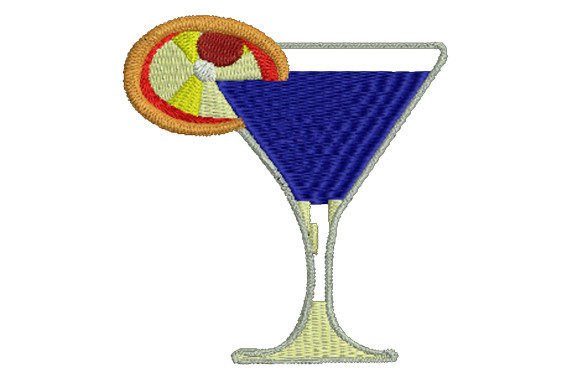
The moment you preview Blue Hawaii Served with Lemon, the design exudes a sense of relaxation and tropical ease. The inclusion of the small sliced lemon alongside the Blue Hawaiian motif creates a balanced composition that feels both decorative and approachable. For a boutique brand looking to establish a friendly, welcoming identity, this embroidery file strikes the right chord between casual and chic. The stitching mood appears to be light and airy, avoiding the heavy density often found in traditional logo designs. Instead, it feels like a seasonal accent, perfect for items that need to feel trendy yet timeless.
The visual strength of this design lies in its ability to stand out without dominating the fabric. Whether placed on a neutral sweatshirt or a pastel hoodie, the contrast provided by the blue tones against lighter backgrounds promises to be striking. However, the "served with lemon" aspect adds a layer of detail that requires careful execution. If the stitch density is too high, the lemon slices could lose definition; if too low, the design might look sparse. As a designer, I see this as a versatile asset that can transition from a cute, feminine statement to a bold, graphic element depending on thread color choices.
Application on Apparel and Accessories
When planning a small sweatshirt or hoodie collection for an online shop, placement is everything. Blue Hawaii Served with Lemon seems ideally suited for chest placement on a crewneck hoodie. The compact nature of the design ensures it doesn't get lost on larger garments, making it perfect for oversized styles where a subtle focal point is desired. Imagine a soft grey fleece hoodie with this design embroidered in crisp white or bright yellow thread; the result would be a cozy, seasonal outfit that looks professional and ready for retail.
Beyond standard tops, this design has immense potential for lifestyle products. On denim jackets, a single iteration of the embroidery could serve as a unique back patch, turning a basic jacket into a statement piece. For tote bags, the design adds a pop of color that appeals to shoppers looking for functional yet stylish accessories. Even on t-shirts, the motif works well as a shoulder accent or a small sleeve detail, offering variety for customers who prefer minimalism over large back prints.
For Etsy sellers and digital creators, this file is a goldmine for creating printable mockups. A high-quality rendering of Blue Hawaii Served with Lemon on a pastel sweater can significantly boost engagement on social media graphics. The design's clean lines and distinct colors make it easy to visualize in various settings, helping buyers imagine the finished product in their own wardrobe. When used for commercial embroidery products, the versatility of the motif allows brands to maintain visual consistency across different merchandise types, from clothing to home goods.
Strategic Use on Different Fabrics
While the design is adaptable, certain fabrics require more attention than others. On stretchy fabrics like jersey or ribbed cuffs, the stability of the embroidery is crucial. Dense stitch areas can cause puckering if the stabilizer choice isn't correct. Fleece and sweatshirt material generally hold up well, but the texture of the fabric can sometimes hide fine details. If the design includes tiny lettering or intricate lemon rind details, these elements might get swallowed by the nap of a thick fleece unless the hoop size and tension are perfectly calibrated.
Dark garments present another challenge. To make the blue and lemon colors pop on a black or navy hoodie, you may need to use a cutaway stabilizer and potentially add a backing layer to prevent the stitches from sinking into the fabric. Conversely, on light-colored apparel, the design shines naturally. However, curved surfaces like the shoulders of a fitted tee or the body of a cap can distort the image if not hooped correctly. Always test on scrap fabric first to ensure the curvature does not compromise the integrity of the design.
Impact on Brand Identity and Product Value
In the competitive world of handmade products and small shop inventory, the quality of your embroidery directly influences buyer trust. A well-executed Blue Hawaii Served with Lemon design signals professionalism and attention to detail. Customers are more likely to pay a premium price for a finished product that looks polished and cohesive. The design helps build a recognizable brand identity, especially if you are selling a collection with a consistent theme, such as tropical vibes or cocktail-inspired fashion.
Visual consistency is key to customer engagement. Using this specific embroidery file across a range of products—hoodies, tote bags, and shirts—creates a unified look that strengthens your boutique brand. It tells a story of fun, refreshment, and style. Furthermore, a successful application of this design can lead to repeat business, as satisfied customers return for matching pieces or recommend your shop to friends. The emotional connection created by a cute, well-stitched design is often what drives sales in the handmade market.
Practical Designer Notes for Production
Before committing to a full production run, there are several technical steps every embroiderer should take. First, always test on scrap fabric that matches the weight and texture of your final garment. This helps you gauge how the thread colors interact with the material and whether the stitch density causes any issues. Check the stabilizer choice carefully; for sweatshirts, a tear-away or cutaway stabilizer is usually necessary to support the weight of the design.
Review the thread color contrast to ensure the blue and lemon hues remain distinct. If the design file includes specific instructions for thread colors, follow them, but don't hesitate to experiment to match your brand palette. Confirm the hoop size requirements to avoid cutting off parts of the design during the stitching process. Inspect the stitch density closely; if the file is too dense, it may require digitizing adjustments to prevent fabric distortion.
Finally, compare placement options on your actual garments before mass production. Ensure that the design sits well on the chest, sleeve, or back without interfering with seams or zippers. Most importantly, check the Creative Fabrica product details and licensing terms before selling finished apparel. Understanding the commercial rights associated with the Blue Hawaii Served with Lemon file is essential for legal compliance and protecting your business. By following these practical steps, you can transform a simple digital file into a high-value, professionally finished product that stands out in any boutique collection.